Baking Through the Stories we Love
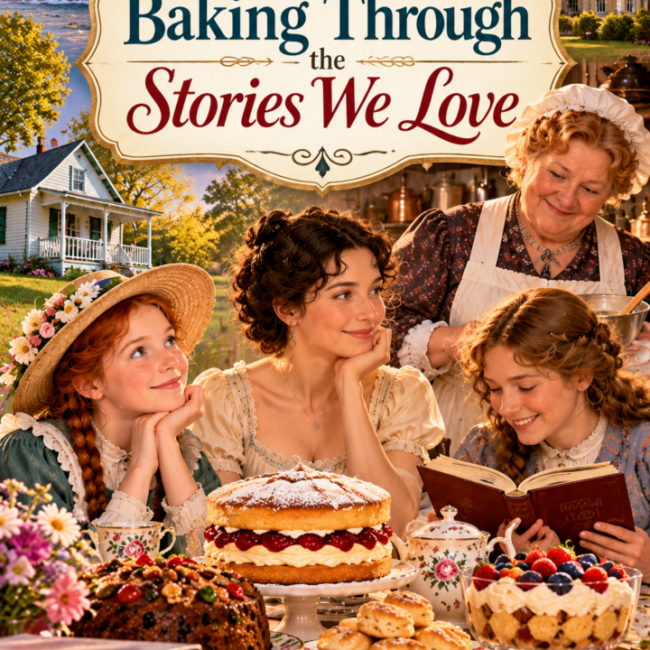
Step inside the pages of beloved stories and enjoy recipes inspired by Little Women, Pride and Prejudice, Anne of Green Gables, Little House, Titanic, and more.
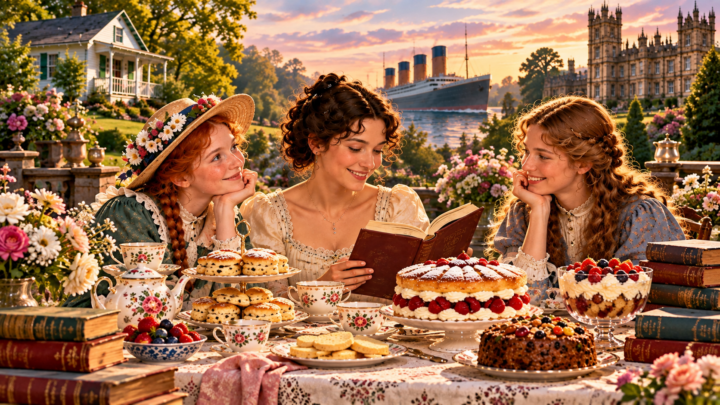
A Good Story Invites You In
Some stories entertain us for a little while, and then there are the ones that seem to take up permanent residence in our hearts.
We know the characters so well that they begin to feel like old friends. We know which sister we would be, which house we would want to visit, and which table we would choose if someone somehow gave us the chance to step inside the pages for an afternoon.
For me, Little Women was one of those stories. I always wanted to be Jo March. Years later, when I had four daughters of my own, it seemed perfectly natural that each of them should find her place among the March sisters, too.
Then there were the Bennet girls. My daughters and I spent entire Saturdays watching the 1995 version of Pride and Prejudice on VHS, and after enough viewings, we knew exactly which Bennet daughter was which among us. (I'm not sure everyone was equally pleased with her assignment.)
Other stories found their way into our family life, too. Anne of Green Gables. Little House on the Prairie. Stories I read, stories we watched together, and eventually stories I had the privilege of directing onstage.
And, of course, there was Titanic—a story that captured my imagination so completely that I eventually wrote a novel of my own set aboard that magnificent ship. (Have you read Queen of the Waves?)
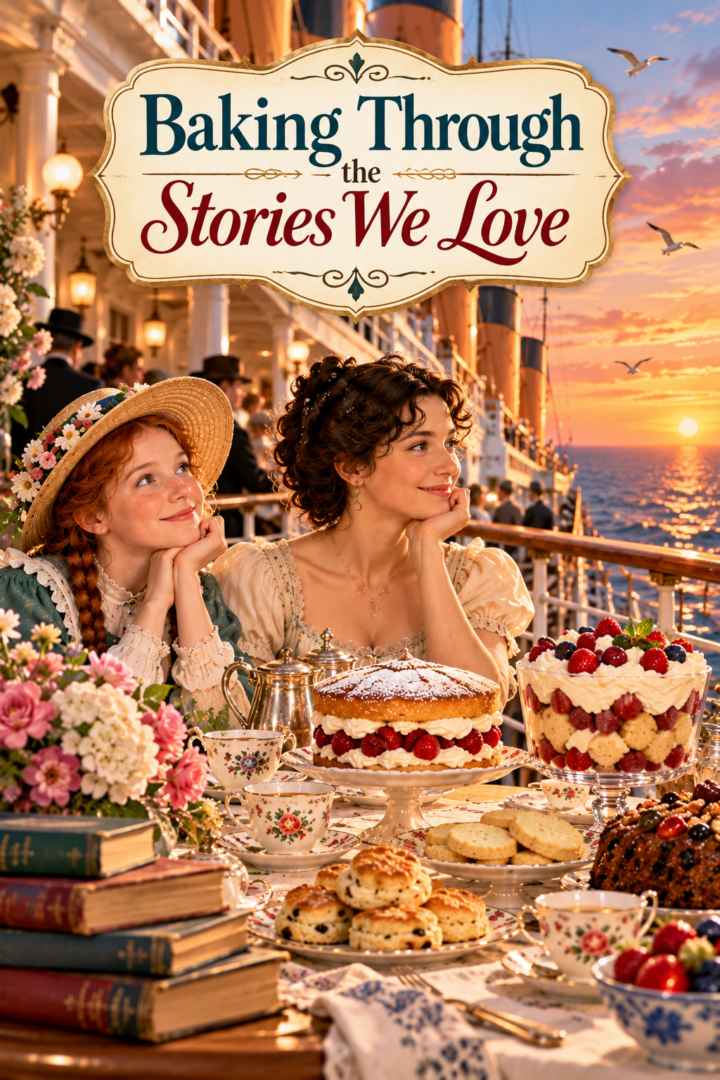
Looking back, I realize that some of my happiest memories aren't simply about books or movies. They're about the people I shared them with. They're Saturday afternoons with my girls, well-worn books, rewound VHS tapes, rehearsals, costumes, laughter, and characters who became so familiar that we could talk about them as though they lived down the street.
Maybe you have stories like that, too.
And because this is a baking site, I've found myself wondering about something else.
What would happen if we could actually visit those worlds?
What would Ma Ingalls pull from the oven? What might be waiting on the tea table at Longbourn? What would Anne and Diana serve us—assuming, of course, that Anne wasn't put in charge of the cordial?
And if we were shown to our table aboard Titanic, what beautiful Edwardian sweets might appear before us?
That's where we're headed today.
We're going to step inside a handful of beloved stories, spend a little time with the characters we've missed, and find something delicious to go with each visit.
Because a good story invites you in.
Today, we're staying for dessert.
Little Women: Come Sit with the March Sisters
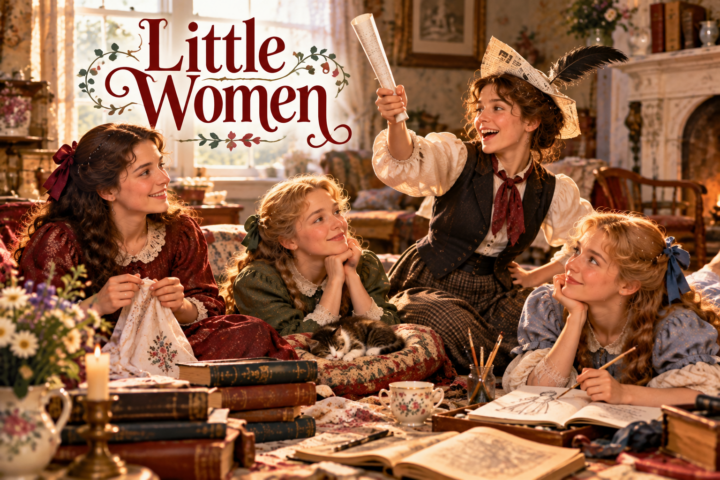
If we're going to step inside the stories we love, I know exactly where I want to go first: the March house.
I want to come in from the cold, shake the snow from my coat, and find all four sisters there. Meg will undoubtedly be trying to maintain some semblance of order. Amy will have an opinion about something—and probably a very strong one. Sweet Beth will be quietly making everything better simply by being there. And Jo? Jo will be talking, writing, arguing, or doing something else entirely inappropriate for a young woman of her time.
Which is precisely why I loved her.
Of all the literary characters I loved as a girl, Jo March was different. I didn't simply enjoy reading about her. I wanted to be her. She was impulsive and imaginative, fiercely devoted to the people she loved, occasionally exasperating, and absolutely determined to write. She had stories inside her, and they needed somewhere to go.
I understood that part of Jo long before I understood what it might mean in my own life. Years passed. I grew up, raised four daughters, and eventually became a writer myself. Somewhere along the way, the girl who wanted to be Jo March ended up spending her own days putting words on pages.
But Little Women gave me something even sweeter than that. Years ago, I had the privilege of directing a stage production of the story, and my four daughters played key roles.
You can probably imagine what that did to their mother.
There's something especially poignant about Little Women when you've raised daughters. Louisa May Alcott understood that sisters can love each other fiercely and still irritate each other beyond reason. They compete. They tease. They misunderstand each other. They know exactly which button to push because, after all, they probably installed most of the buttons themselves.
But when life gets difficult, they come home to one another.
I knew those dynamics from the book. Then I raised four girls of my own, and let's just say Louisa knew what she was talking about.
Watching my daughters on the stage made a story I already loved feel even more personal. For a little while, the line between the March family and mine became wonderfully blurry. Even now, when I picture those four sisters together, I'm not entirely sure I can separate Alcott's girls from my own.
And then there's the March family table.
Food in Little Women isn't about extravagance. The Marches know lean times. They understand making do, sharing what they have, and even giving away something they were looking forward to enjoying themselves. We see that beautifully on Christmas morning, when the girls give their breakfast to a struggling family who needs it far more than they do.
That scene tells us so much about the Marches. Their table isn't memorable because it's lavish. It's memorable because there's always room for someone else.
Maybe that's another reason this story speaks to me so deeply. Baking has never just been about making pretty things. Some of the best things I've ever baked have left my kitchen in someone else's hands—a cake carried to someone who needed cheering up, cookies packed into a container, something sweet taken to church, or a treat made simply because I wanted someone to know I was thinking about them.
I think Marmee would understand that.
So, if we're spending the afternoon with the March sisters, I don't want a table filled with elaborate pastries and perfectly piped confections. We'll save those for another stop on our literary journey. Here, I want the kinds of things that make a house smell like home: warm bread, a simple cake, an old-fashioned cookie, something made with apples, and perhaps a little molasses and spice.
Nothing needs to be perfect. That's rather the point. The March house was never about perfection. It was about family.
And I suppose that's why, after all these years, I still want to go there. I wanted to be Jo when I was young. I wanted to write books and tell stories and live a life filled with words. I couldn't have known then that I actually would become a writer—or that one day I'd sit in a theater and watch my own four daughters standing together as the characters I'd grown to love.
Life has a funny way of bringing some stories back around.
So come sit with us for a while. Jo has probably left papers all over the table. Amy is complaining about something. Meg would like everyone to please behave, and Beth is quietly making the room feel like home.
My girls are in there somewhere, too.
And I'm pretty sure there's something warm coming out of the oven.
From My Kitchen to the March Family Table

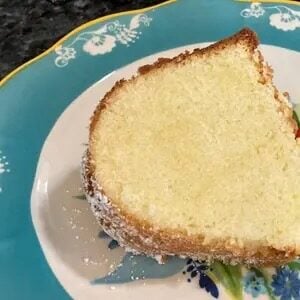


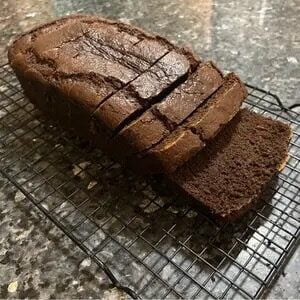
If I were baking for an afternoon with the March sisters, I'd keep everything simple, old-fashioned, and comforting. These recipes from Out of the Box Baking feel right at home in their world:
- Rustic Wheat Bread — A hearty homemade loaf feels just right for the March table, especially served warm with butter.
- Old-Fashioned Molasses Cookies — Simple ingredients and deep molasses flavor make these exactly the sort of unfussy cookie I can imagine disappearing from the kitchen while Jo insists she only took one.
- Old-Fashioned Pound Cake with Whipping Cream — Rich, simple, and timeless. No elaborate decorations required.
- Old-Fashioned Sugar Cookies — This recipe came from my own mama's handwritten cookbook, which somehow makes it feel even more appropriate for a story so rooted in family.
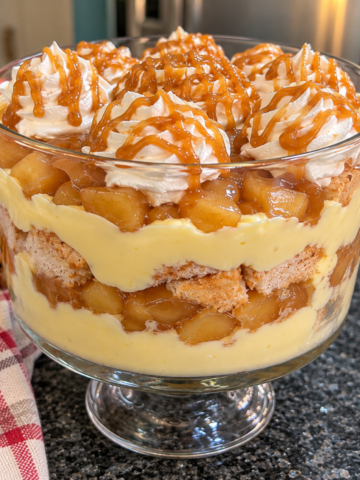
- Apple Pie Bread Pudding — Bread, apples, cinnamon, and a warm vanilla cream sauce make this a wonderfully cozy choice for a cold New England day.
- Old-Fashioned Gingerbread Loaf — Molasses and warm spices give this simple loaf the sort of Christmas-kitchen aroma that makes me think immediately of the opening chapters of Little Women.
I think Marmee would approve.
Jo would probably grab a cookie and disappear with her manuscript.
And I'd happily stay at the table with all four sisters just a little while longer.
Pride and Prejudice: Tea with the Bennet Sisters
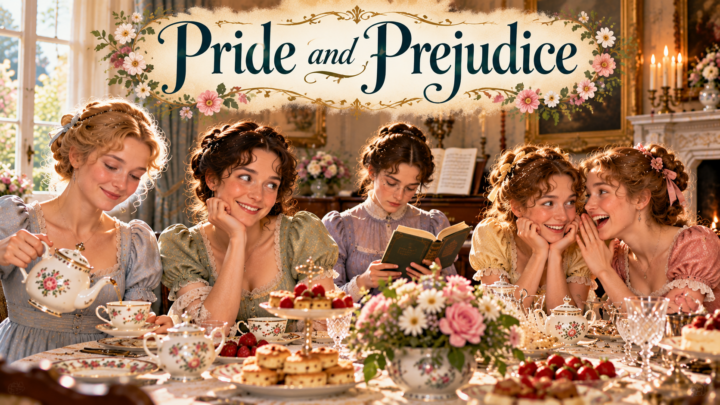
We've left the March sisters behind, and we've barely made it through the door at Longbourn before Mrs. Bennet has something urgent to tell us.
Someone has been slighted. Someone else has received an invitation. Lydia has said something she probably shouldn't have, Kitty is laughing, and Mary looks dangerously close to offering either a profound observation or a musical performance.
Elizabeth is amused by all of it. Jane is trying to think the best of everyone. And somewhere in the English countryside, Mr. Darcy is being handsome, wealthy, and unnecessarily difficult.
Oh, how I love these people.
Pride and Prejudice became part of our family story years ago, largely because of the wonderful 1995 BBC adaptation starring Jennifer Ehle and Colin Firth. My four daughters and I would devote entire Saturdays to watching it on VHS—and if you remember VHS tapes, you know this was a commitment. This wasn't something you clicked on while folding laundry. We settled in.
We watched it so many times that eventually the inevitable happened: we began identifying ourselves with the Bennet sisters.
With four daughters and a mother in the house, we certainly had enough women to work with.
And just as with the March sisters, it became impossible not to notice certain similarities. There were personalities to consider, temperaments, strengths, weaknesses, and, shall we say, varying degrees of dramatic flair. Everyone knew who was most like Jane. Everyone had thoughts about Elizabeth. And I'm fairly certain no one was volunteering enthusiastically to be Mary.
Those afternoons remain some of my favorite memories with my girls. We knew what was coming, of course. We'd seen it all before. We knew the lines, the looks, the misunderstandings, the proposals, and exactly how long it was going to take these two stubborn people to figure out what the rest of us already knew.
It didn't matter. We watched anyway.
That's the wonderful thing about a story you truly love. Suspense eventually becomes beside the point. You're not returning to find out what happens.
You're returning because you want to spend time with these people again.
And if we're going to spend the afternoon at Longbourn, someone really ought to put the kettle on.
Let's Have Tea
This is where I have to admit that my baker's imagination takes over.
Give me an English country house, the Bennet sisters, pretty china, and a pot of tea, and I'm going to start filling the table. And while I'm not suggesting Mrs. Bennet had macarons and petit fours lined up every afternoon, we're visiting this beloved world through the eyes of a modern baker.
So I say we have some fun.
This is the perfect place for scones—tender, buttery ones served with jam, lemon curd, or cream. We'll need little cookies to go with the tea, of course, and perhaps some delicate cakes. I wouldn't object to a plate of cream horns, either.
And since we've already come this far, bring out the petit fours.
Mrs. Bennet would approve of anything that looked impressive enough to serve to an eligible gentleman with ten thousand a year.
In fact, this entire section makes me think of the beautiful little foods we associate with an afternoon tea: macarons, meringues, lemon treats, scones, dainty cookies, small cakes, macarons, and petit fours arranged on tiered trays. Some are more historically appropriate to Austen's period than others, so I'm not claiming this is the precise tea table Jane Austen would have set.
This is our afternoon at Longbourn.
And we're going to enjoy it.
From My Kitchen to the Bennet Sisters' Tea Table
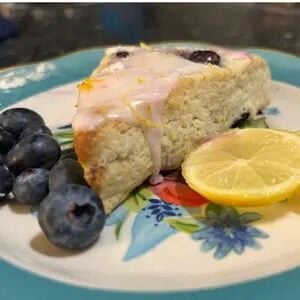

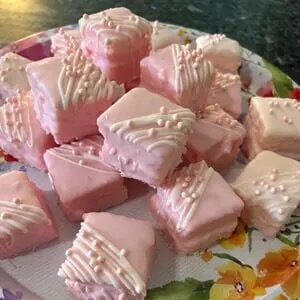


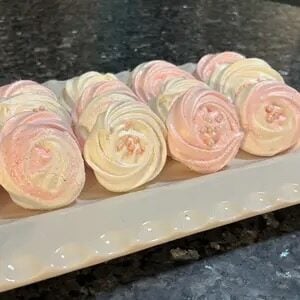
I have a whole collection of recipes on Out of the Box Baking that would be lovely for an afternoon tea, but these are the ones I'd put on the table for Elizabeth, Jane, and the rest of the Bennet household:
- Classic Scones — If we're having tea, we're starting with scones. Serve them with jam, cream, or a generous spoonful of lemon curd.
- Homemade Lemon Curd — Bright, silky, and just the thing to spoon onto a warm scone. I'd make extra.
- Petit Fours — Tiny cakes that turn an ordinary table into an occasion. Mrs. Bennet would absolutely bring out the prettiest serving plate for these.
- French Macarons — Delicate, colorful, and beautiful on a tea tray. They're not something I'm claiming Elizabeth Bennet would actually have been served at Longbourn, but they're welcome at my version of the party.
- Cream Horns — Flaky pastry filled with sweet cream belongs on any table where we're pretending to be considerably fancier than we actually are.
- Meringue Cookies — Light, pretty, and perfect alongside a cup of tea.
Of course, if you want to turn this little visit into a full-fledged event, I have plenty more ideas in my High Teacollection. This is one of those occasions when more really is more. Bring out the pretty cups. Find the tiered tray you've been saving. Make the tiny desserts.
And please invite me.
I'll be the one sitting near Elizabeth, trying not to laugh when Mr. Collins speaks.
Or perhaps I'll sit with Mrs. Bennet. She'll undoubtedly have news to share, and I have a feeling it will be entertaining.
Either way, I'm staying until Mr. Darcy arrives.
After spending so many Saturdays at Longbourn with my own daughters, it feels only right to come back once more.
This time, though, we're having dessert.
Anne of Green Gables: An Afternoon with Anne and Diana
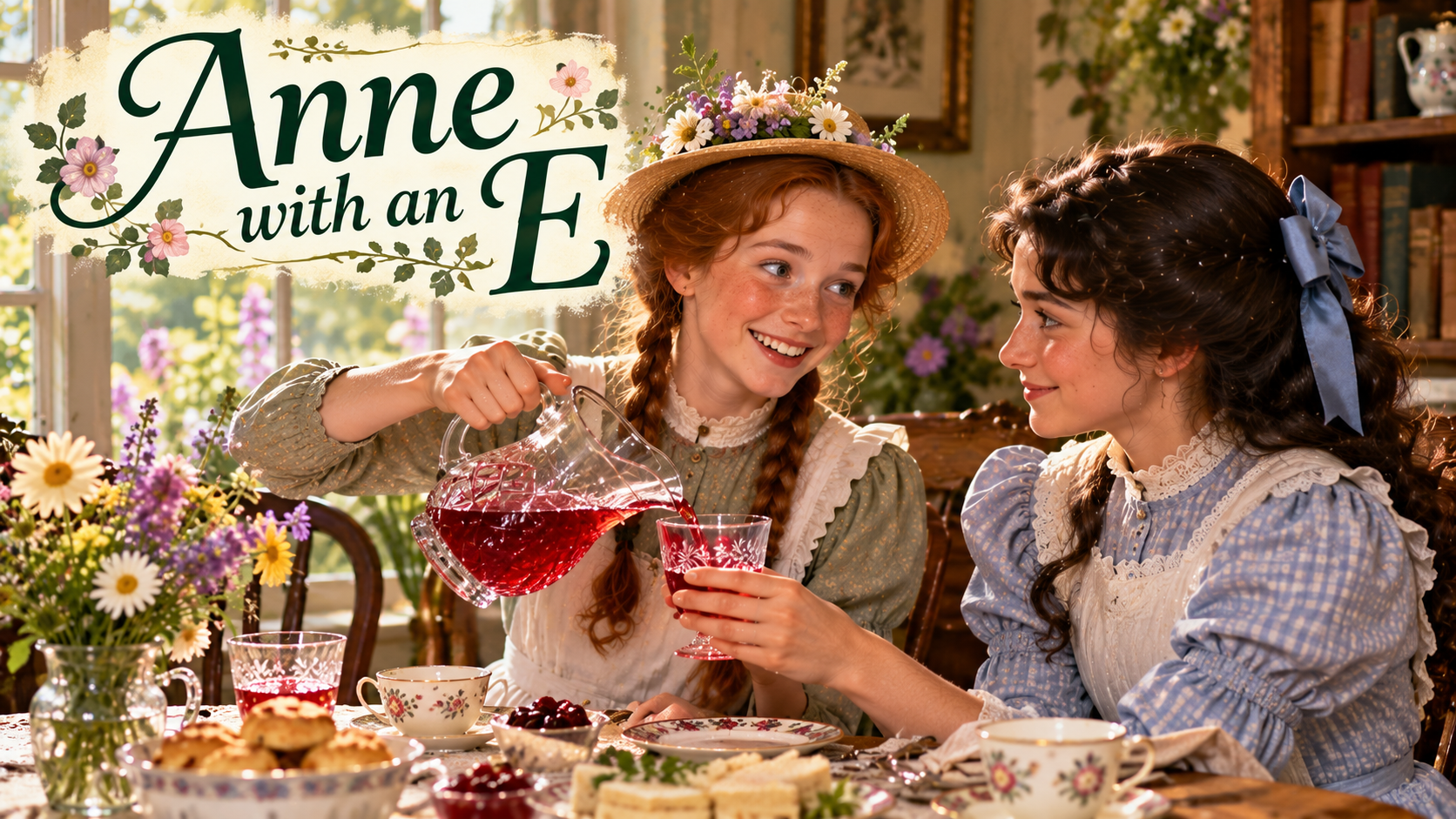
We've hardly made it through the door at Green Gables, and Anne is already talking.
She's told us about the trees, the flowers, the weather, something beautiful she noticed on the way home, and at least three things she's renamed because their ordinary names simply weren't romantic enough. We've been here approximately four minutes.
I love her already.
There is something irresistible about Anne Shirley. She feels everything deeply, imagines everything vividly, and approaches an ordinary day as though it might become an adventure at any moment. Give Anne a pond and she'll give you the Lake of Shining Waters. Give her a road lined with apple trees and suddenly you're traveling beneath the White Way of Delight.
Give her a bottle of raspberry cordial and...
Well.
Perhaps we'd better talk about that.
But first, Diana Barry has arrived, which means Anne is even happier than she was five minutes ago. If you've ever loved Anne of Green Gables, you know that Anne and Diana's friendship is one of the sweetest parts of the story. They aren't merely friends. They're bosom friends, solemnly devoted to one another in the wonderfully dramatic way that only Anne could make seem perfectly reasonable.
And now that Diana is here, surely we should have refreshments.
Who's in Charge of the Cordial?
Those words should make every Anne fan a little nervous.
Anne is thrilled when Marilla allows her to invite Diana over for tea, and she's especially excited to serve the raspberry cordial. Unfortunately, the bottle Anne believes contains cordial contains something else entirely: Marilla's currant wine.
Diana drinks rather enthusiastically.
What follows is one of the most memorable disasters in Anne's long and impressive history of memorable disasters.
Poor Anne. She tries so hard.
Maybe that's part of why we love her. Anne's mistakes are rarely small because Anne herself does nothing halfway. Whether she's accidentally getting Diana tipsy, dyeing her hair green, flavoring a cake with liniment, or breaking a slate over Gilbert Blythe's head, she commits completely to the moment.
I had the pleasure of stepping into Anne's world in a different way years ago when I directed a stage production of Anne of Green Gables. One of my own daughters played Diana, which made the story especially sweet for me. There I was again, watching a book I'd loved move off the page and onto the stage, with one of my girls right in the middle of it.
Maybe that's why these stories stay so alive in my memory. They aren't only books I've read. They've become tangled up with my daughters, with rehearsals and costumes, with afternoons spent together and years that went by much faster than I expected them to.
But we're at Green Gables now, and Anne would never approve of becoming melancholy when there are refreshments to consider.
So let's set the table.
This one should be pretty, but not terribly formal. I picture raspberry treats, buttery scones and shortbread, something bright and lemony, and little cakes that would make Anne gasp over how perfectly delightful they are.
And because Anne Shirley's famous red hair caused her no small amount of anguish, I can't resist adding carrot cake to the table. I suspect grown-up Anne might appreciate the joke.
From My Kitchen to Green Gables
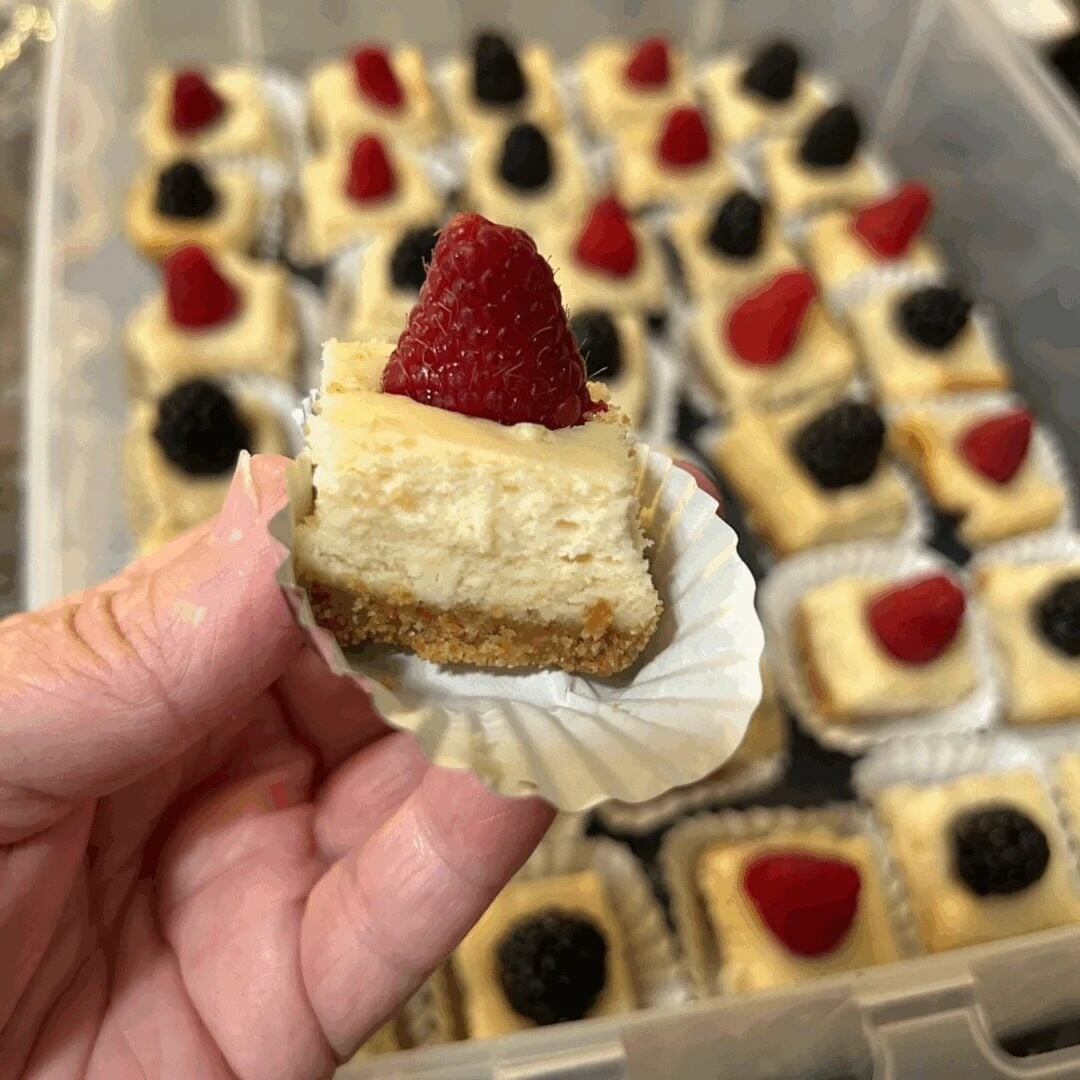
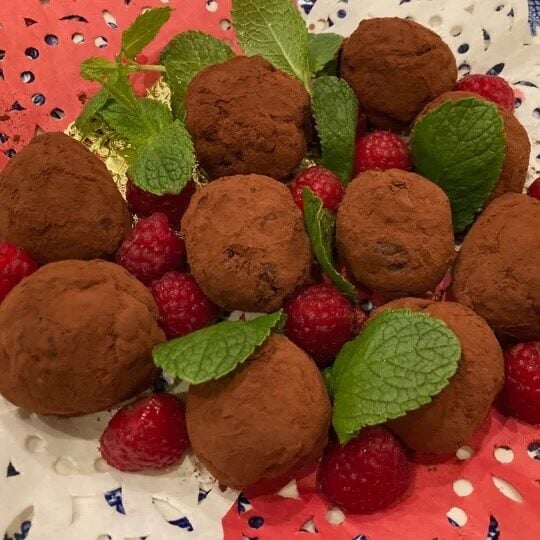
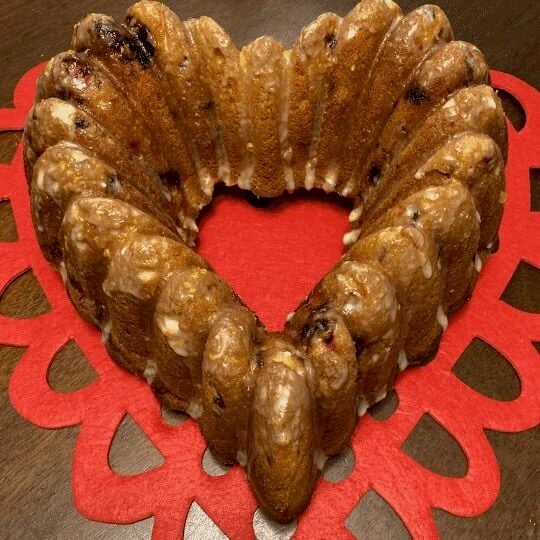
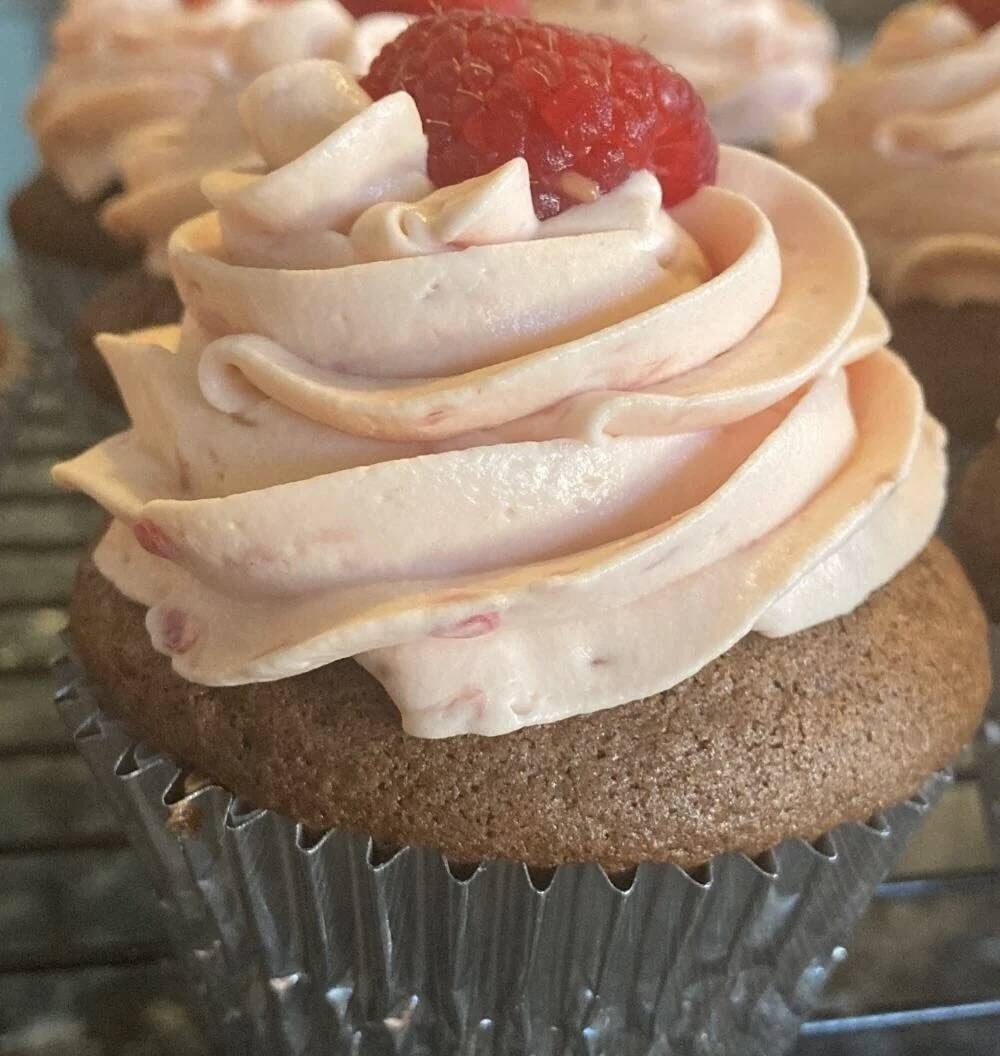
If Anne and Diana were coming to my house for an afternoon visit, these are the sorts of treats I'd want waiting for them:
Raspberry Cheesecake Bites — We simply have to begin with raspberries. And unlike Anne's refreshments, these cheesecake bites won't intoxicate anyone!
Dark Chocolate Raspberry Truffles -- Another raspberry offering, perfect for Anne's party. (You'll love them, too!)
Orange Raspberry Pound Cake -- Perfect for Diana. . .or any special guest! This orange raspberry cake is absolutely delicious.
Raspberry Whipped Cream Frosting -- Light and airy, this is the perfect frosting for any cupcake or cake. Yum!
Little House on the Prairie: Something Warm from Ma's Kitchen
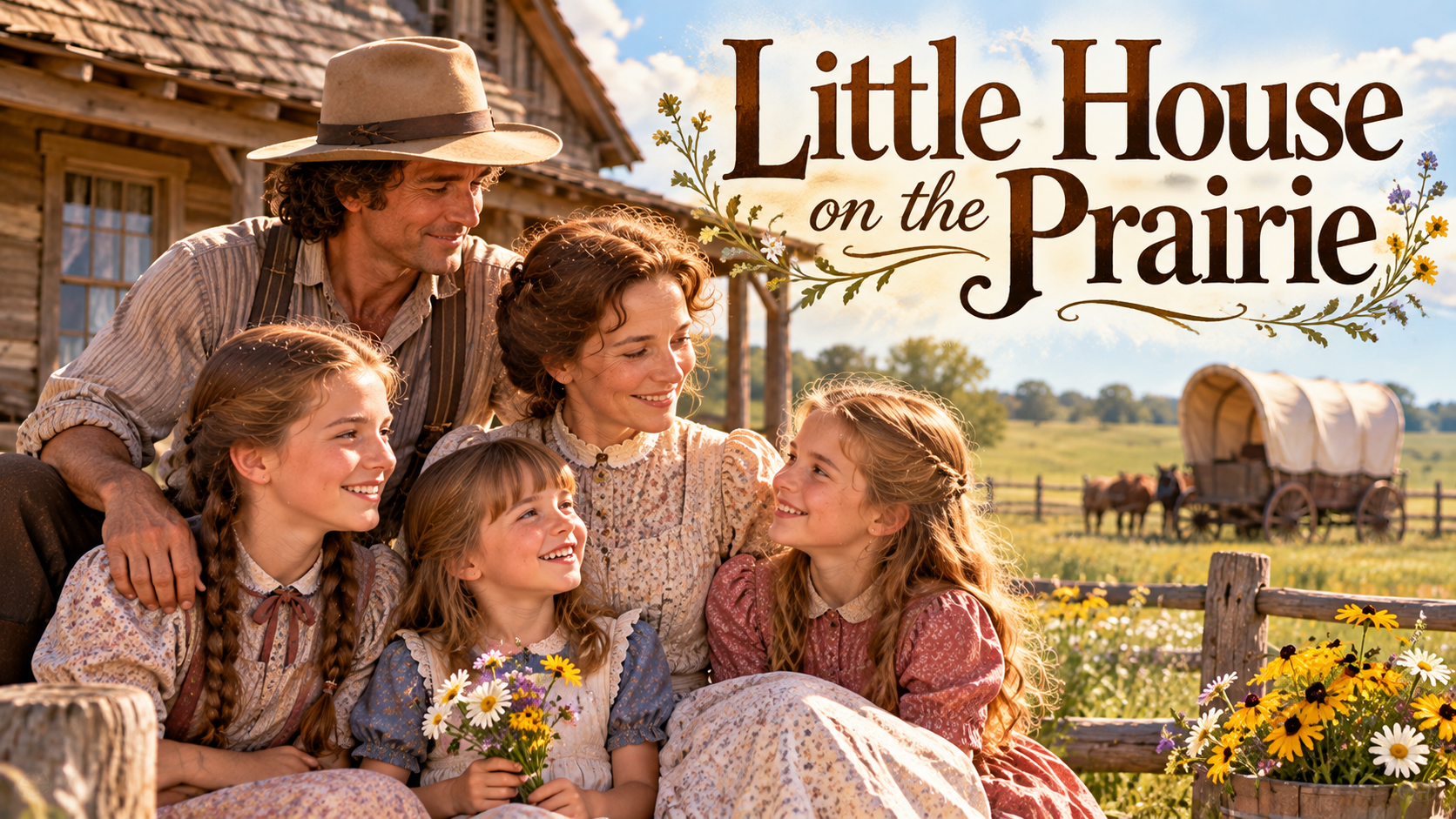
We've had tea with the Bennet sisters. We've somehow survived refreshments with Anne and Diana. Now we're going to need to put away the petit fours. And the macarons. Actually, put away the fancy china while you're at it.
We're headed to the little house, and things are different here.
I think that's part of what fascinated so many of us about Laura Ingalls Wilder's stories when we were young. Life was harder—much harder, in ways we probably didn't fully comprehend as children—but there was something deeply appealing about imagining ourselves inside that little house with the family gathered together. Outside, snow might bepiling against the door or the wind might be howling across the prairie. Pa could be miles from home, and there might be very little left in the pantry. But inside, there was a fire. Ma was working. And something was cooking.
If you grew up reading the Little House books or watching the television series, you probably imagined yourself there at least once. I certainly did. I wondered what it would be like to ride in that covered wagon, sleep in a loft, listen to Pa's fiddle at night, or wake on Christmas morning to discover what treasures had somehow made their way to the little house.
Of course, adulthood gives you a somewhat different perspective on all of this. As a child, I thought living in a little house on the prairie sounded terribly romantic. As an adult, I find myself thinking, Ma, honey, you must be exhausted.
That woman was always doing something.
There were no grocery deliveries, no stand mixer waiting on the counter, and certainly no running to the store because somebody forgot the brown sugar. Food required work. Bread began with flour and yeast. Butter didn't magically appear in a neat little box. Fruit had to be preserved when it was available. Meals depended on the season, the harvest, what could be grown or hunted, and what the family had managed to put away.
And yet, somehow, Ma made a home.
That's what I remember most about that world. Not abundance. Not extravagance. Warmth.
I can almost picture the kitchen: firelight flickering, flour on the work surface, wood smoke in the air, and the smell of bread baking. Maybe there's molasses in the cupboard. Perhaps apples have been saved for something special. If it's maple-sugaring time, there's the promise of something wonderfully sweet. Whatever is available will be used carefully,because nothing can afford to be wasted.
There's something beautiful about baking like that.
It's easy to forget, surrounded by towering cakes and elaborate desserts, that some of the most comforting things we can make are also the simplest. Flour. Butter. Milk. Sugar. Apples. Cinnamon. Molasses. Put a few ordinary ingredients together, add a warm oven, and suddenly the whole house smells different.
Maybe that's one reason the food in the Little House world still appeals to us. It isn't food designed to impress anybody. It's food meant to feed people. There's a difference.
If I were spending the day in Ma Ingalls's kitchen, I'd leave my piping bags at home. I'd choose simple, old-fashioned recipes made from familiar ingredients—the kinds of things best eaten warm, preferably with butter. I don't think we'd need to arrange any of it on a tiered tray, either. Just put the bread on the table. Set out the butter. Pull up another chair.
That's the thing about the little house that stayed with me. The house itself was small. Supplies were sometimes scarce. Life could be uncertain and frightening. But somehow, when the family was gathered together and Pa's fiddle came out, that little room felt enormous.
Maybe home has never really been about how much we have. Maybe it's the fire burning, something warm in the oven, and the people we love knowing there's a place for them at the table.
I think Ma Ingalls knew that better than most.
And if she happens to have a pan of warm biscuits ready when we arrive?
Well, I'm certainly not going to complain.
From My Kitchen to Ma's Table
These are the kinds of simple, comforting recipes I'd bring to the Little House table:
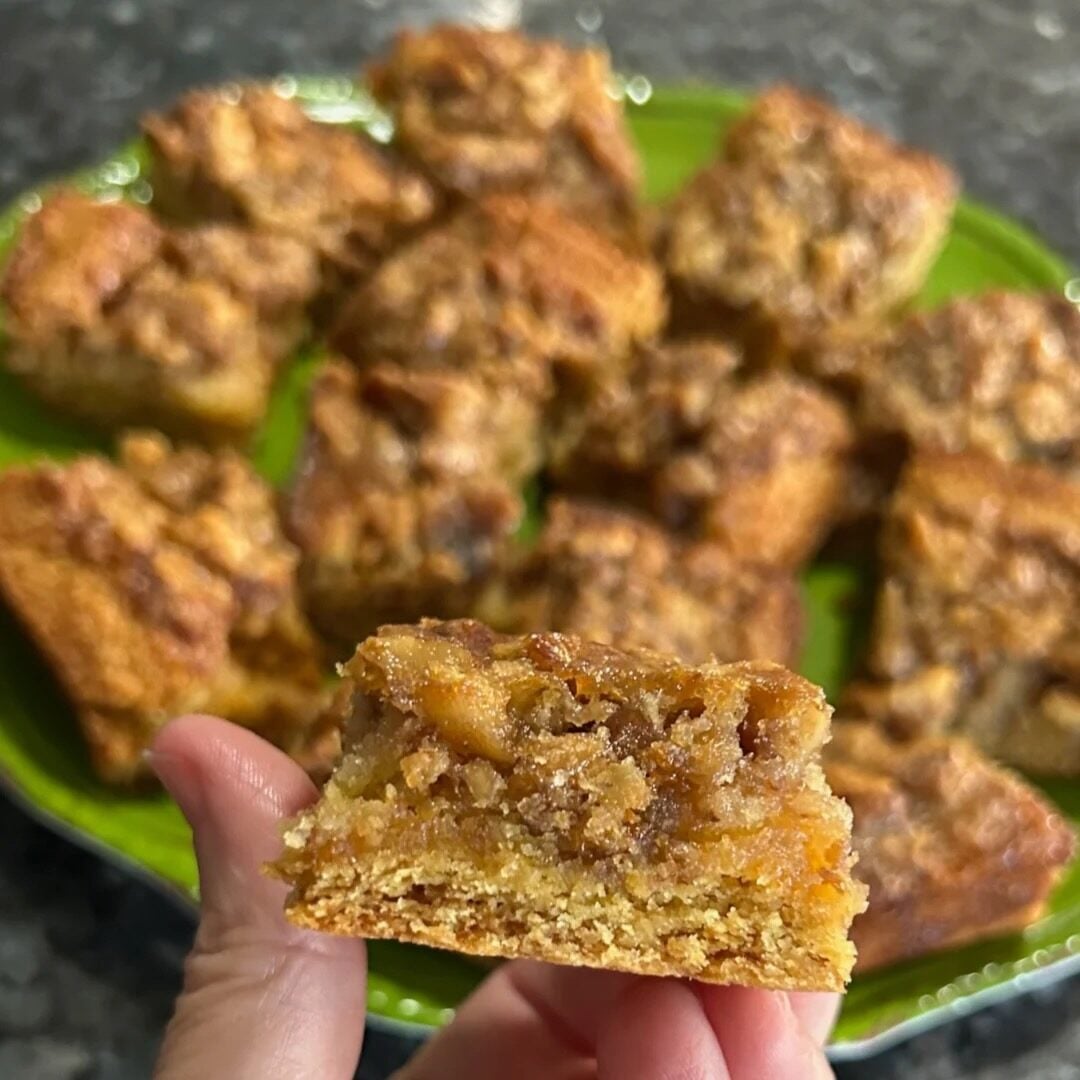
Maple Walnut Bars — A sweet nod to the maple-sugaring scenes so many of us remember from the Little House books.
Simple Country Bread — A warm loaf of homemade bread feels more at home here than any elaborate dessert ever could. Pass the butter, please.
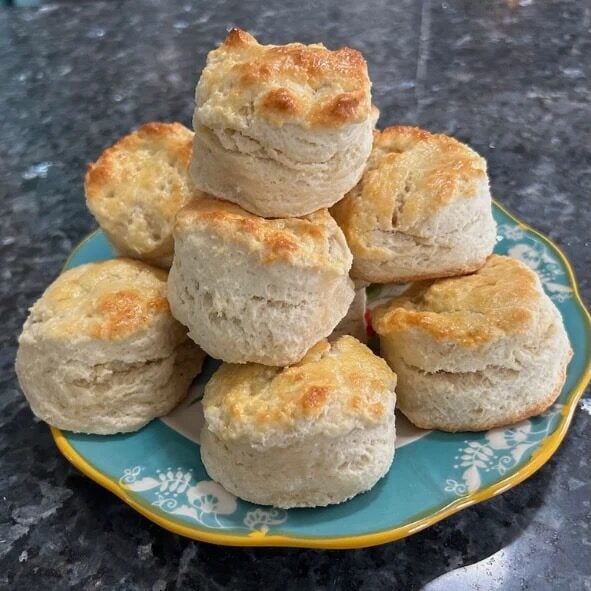
Old-Fashioned Biscuits — Simple, practical, and best served straight from the oven with butter, jam, or whatever happens to be in the pantry.
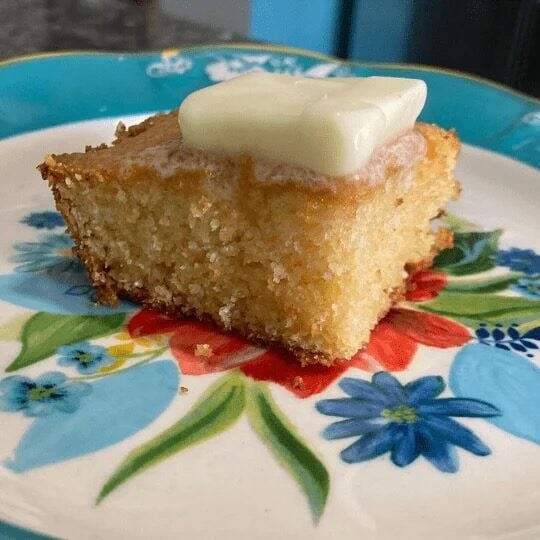
Homemade Cornbread — No fancy presentation required. Just hearty cornbread served warm alongside supper.
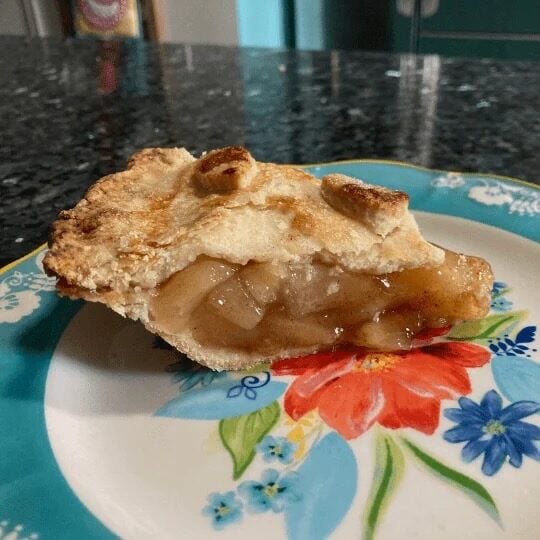
Old-Fashioned Apple Pie — If there are apples available, we're making pie. Apples, cinnamon, and pastry baking together might be one of the finest smells ever to come from an oven.
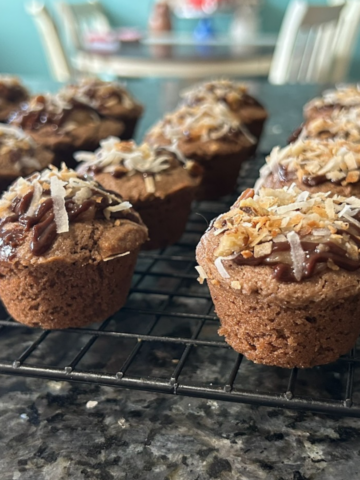
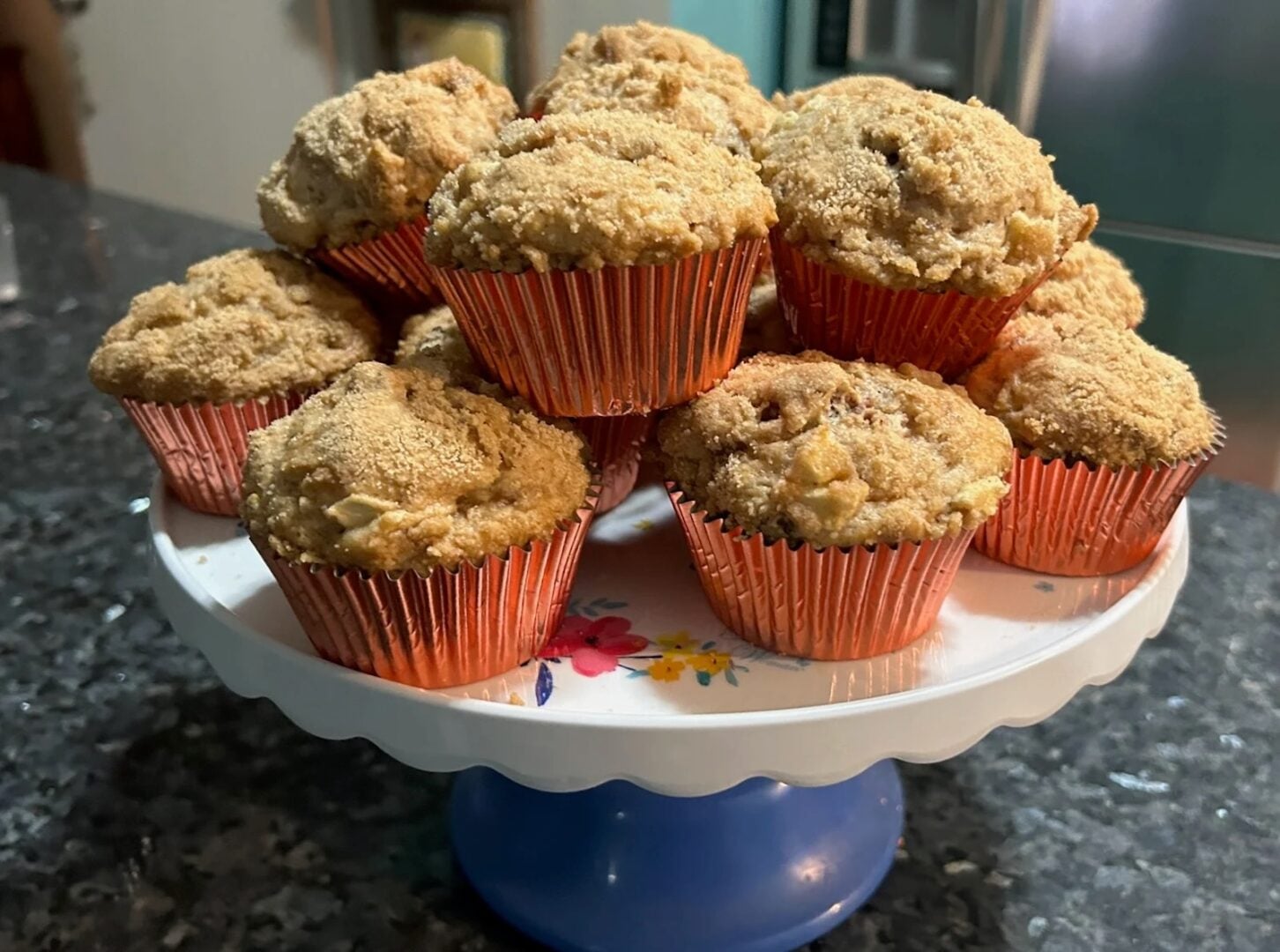
Cinnamon Apple Muffins — A simple little apple treat that can be picked up and eaten by hand—and one I suspect Laura and Mary wouldn't turn down.
Titanic: We’ve Been Shown to Our Table

And now we come to Titanic.
Even before I wrote a novel set aboard the ship, I was fascinated by her. And if you fell in love with the 1997 movie the way so many of us did, you probably understand why. There is something about those first glimpses of the ship that still takes my breath away—the sweeping Grand Staircase, the beautiful clothes, the polished wood and gleaming china, the music, the dining rooms, the sense that we've somehow been allowed to enter another world.
Of course, we know where the story is going. That's what makes it so haunting. Every time I watch the movie, some small part of me wants the story to change. I want the warnings to be heeded. I want the ship to turn sooner. I want the people we've come to know to have more time.
But before that terrible night, Titanic was alive. People unpacked trunks. Children explored corridors. Ladies dressed for dinner. Stewards hurried about their work. Musicians played. Friends met for conversation. Letters were written. Meals were served.
And what meals they were.
My connection to Titanic eventually went far beyond watching the movie or reading about the ship. Years ago I wrote Queen of the Waves, a novel set aboard Titanic, and in the process I spent a tremendous amount of time researching the ship and the people who sailed on her.
Then, around the centennial of the sinking, something extraordinary happened. More than a hundred readers joined me online for an immersive experience in which we assumed characters, researched actual passengers, dressed our imaginary selves for dinner, gathered in the ship's public rooms, and spent several days pretending that we, too, were making that Atlantic crossing. As April 14 became April 15, we experienced those final hours together in real time.
It was make-believe, of course, but I've never forgotten it. For a few remarkable days, we weren't simply reading about Titanic. We were aboard her—or as close as our imaginations could take us.
And if we're going to step aboard again today, even for a few minutes, I know exactly where I want to go.
We've been standing here talking long enough.
Our table is ready.
The wonderful thing is that we don't have to imagine everything on it. Actual menus from Titanic survive, including menus from April 14, 1912, the final full day of the voyage. The first-class dinner that evening was an extraordinary multi-course affair, with oysters, salmon, filet mignon, chicken, lamb, roast duckling, sirloin of beef, vegetables, potatoes, and course after course following one another before dessert finally appeared. The dessert selections included Waldorf pudding, peaches in Chartreuse jelly, chocolate and vanilla éclairs, and French ice cream.
And dinner wasn't our only opportunity to find something sweet. The first-class luncheon that day included custard pudding, apple meringue, and pastry. Other surviving menus from the voyage show breads, rolls, scones, marmalade, preserves, and other foods that feel surprisingly familiar more than a century later.
That's one of the things I find so fascinating about looking at the actual menus. They make the people aboard seem less like names in a history book and more like people going about an ordinary day.
- Someone spread marmalade on bread.
- Someone ordered dessert.
- Someone lingered over coffee.
- Someone looked over that enormous dinner menu and wondered what to choose.
They didn't know they were living history.
They were simply having dinner.
And maybe that's why food has such power when we revisit stories like this one. A menu can collapse more than a century in an instant. We may never walk down Titanic's Grand Staircase or hear the orchestra playing in one of her elegant rooms, but we know what it is to sit around a table. We know the smell of coffee and warm bread. We know the pleasure of something sweet at the end of a meal.
(Interesting side note: I just returned from an Alaskan cruise one week ago, so I truly know what it feels like to be served aboard a lovely ship!)
And some of the foods served aboard Titanic aren't terribly far removed from things we still bake in our own kitchens.
If I were putting together my own Titanic-inspired dessert table, I wouldn't attempt to recreate the entire first-class menu. Instead, I'd take my cue from those Edwardian dining rooms and from some of the foods we know were served aboard. I'd want beautiful pastries, something filled with cream, warm scones with preserves, a lovely apple dessert, perhaps something made with peaches, and a few elegant little treats that would look perfectly at home beside a china cup and saucer.
From My Kitchen to Titanic's Table
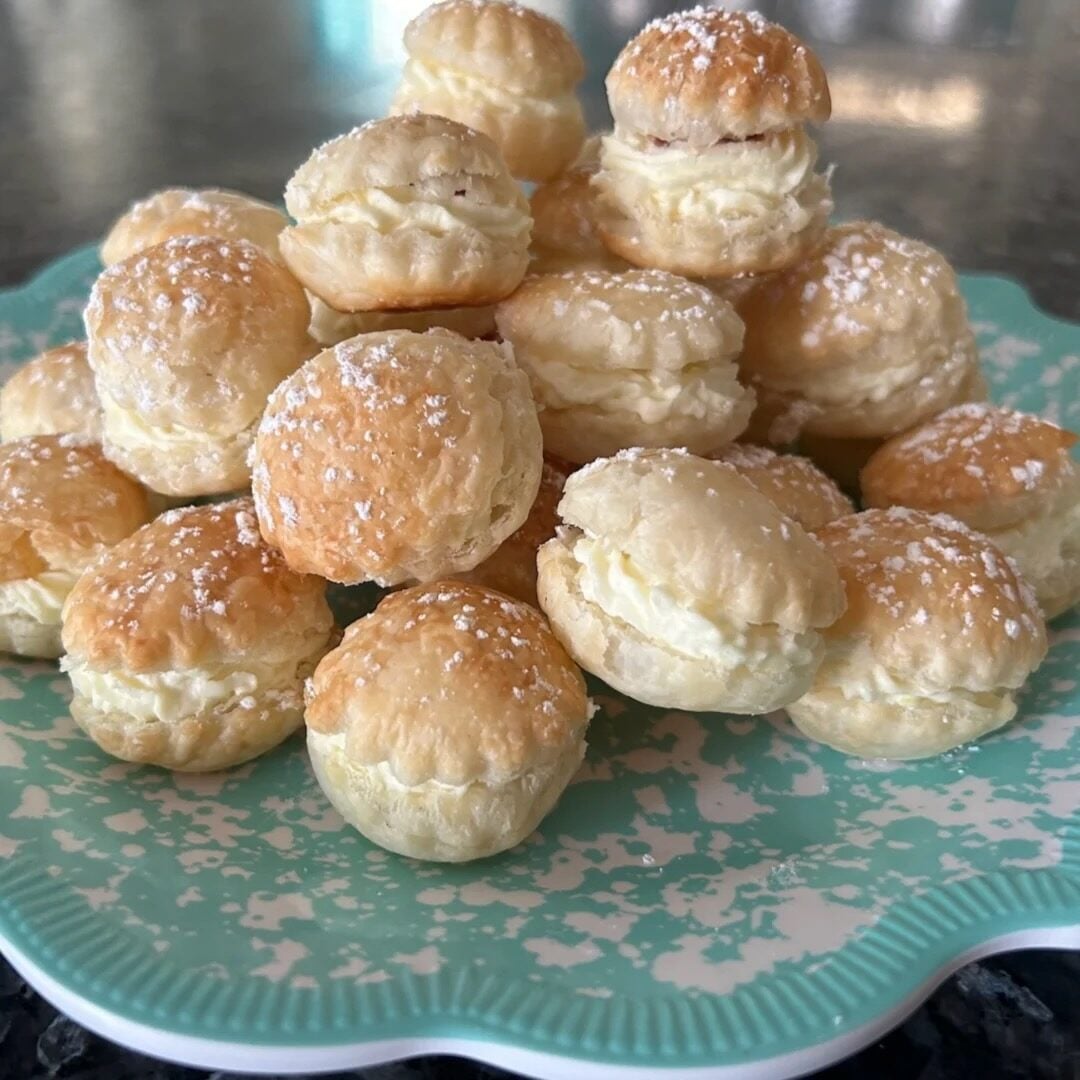
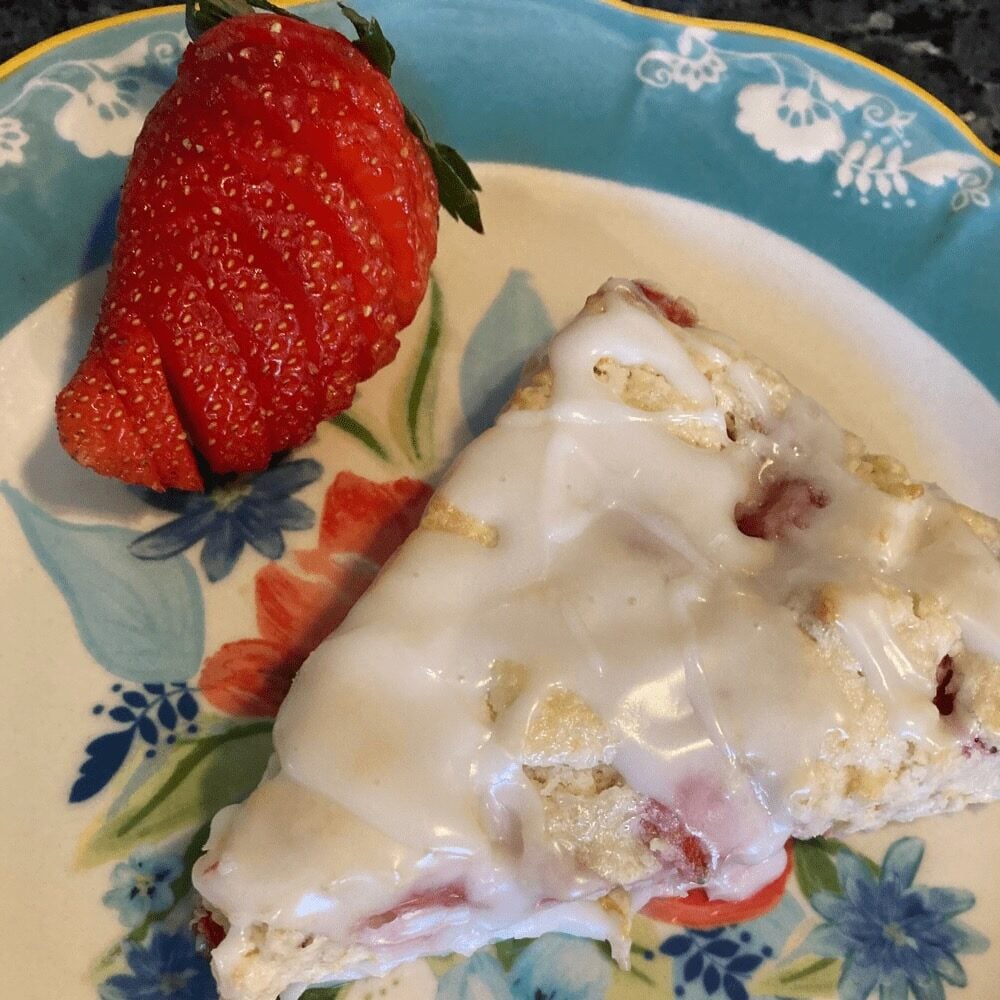


- Mini Cream Puffs — While cream puffs aren't the chocolate and vanilla éclairs listed on the April 14 first-class dinner menu, they're close cousins in the pastry world and give us exactly the elegant, cream-filled feel I'm looking for.
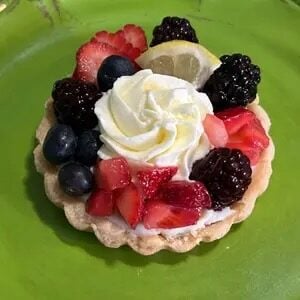
- Cheesecake Tarts with Fresh Berries -- These elegant Cheesecake Tarts with Fresh Berries feature a flaky homemade tart crust, creamy no-bake cheesecake filling, and beautiful fresh fruit. Perfect for tea parties, showers, brunches, and special occasions.
- Homemade Scones — Scones really do appear on surviving Titanic menus, which makes these an especially fun connection. Serve them with butter, jam, preserves, or marmalade.
- Puff Pastry Apple Galettes — If you're looking for a quick and simple dessert that's both beautiful and tasty, this is it! These lovely little apple galettes will impress your guests and are perfect for a tea party!
- Peach Cake with Caramel Glaze -- If you love the flavor of fresh peaches and caramel you will love this easy bundt cake! It comes together in minutes and would be perfect for fancy guests.
- French Butter Cookies — If you want a delicious butter cookie, perfect for dunking in your hot tea or coffee, this is the recipe for you! These delicious French Butter Cookies are simple to make and come together in minutes!
There is something bittersweet about setting this particular table because we know something the people sitting at the original tables didn't.
We know what happens after dinner.
So for now, I'd rather leave them here.
Let the china clink and the stewards move quietly between the tables. Let someone order dessert. Let another passenger linger over coffee. Let the music continue somewhere nearby.
Outside, the Atlantic stretches endlessly beneath a cold April sky.
But inside, the lights are glowing. Dinner is being served.
And for just a little while longer, Titanic is still sailing.
Downton Abbey: Upstairs, Downstairs, and Something from Mrs. Patmore’s Kitchen
Strangely enough, we don't have to travel very far to reach our final story.
Because at Downton Abbey, it's April 1912, too.
And the news from Titanic has just arrived.
If you've watched Downton Abbey, you know exactly what that news means. The sinking of Titanic sets the entire story in motion, changing the future of the Crawley family before we've even had time to figure out which footman is which.
But we've just spent quite enough time in first-class dining rooms.
I want to go downstairs.
Because somewhere beneath all that polished silver, crystal, beautiful china, and perfectly arranged food, Mrs. Patmore is in the kitchen trying to make dinner happen—and Daisy is almost certainly doing something wrong.
Poor Daisy.
If Mrs. Patmore tells her to peel the potatoes, she'll peel them wrong. If she tells her to stir something, she'll stir it too much. Or not enough. Or she'll stir the wrong thing entirely. And if Daisy happens to stand still for three consecutive seconds, Mrs. Patmore will surely find something for her to do.
Daisy!
You can practically hear it, can't you?
I absolutely love Mrs. Patmore. She's bossy, opinionated, easily exasperated, and capable of delivering an insult without losing her grip on the mixing bowl. She fusses and fumes and carries on, particularly where Daisy is concerned, but underneath all of that bluster is a woman with a tremendous heart.
And goodness, can she run a kitchen.
That's one of the things I love about Downton Abbey. We don't only see the beautiful finished table. We see what it takes to put the food there.
Upstairs, the Crawleys change clothes for dinner and stroll into the dining room. Downstairs, somebody has been working all day to make that dinner happen. Vegetables have been peeled. Pastry has been rolled. Cakes have been baked. Sauces have been stirred. Dishes have been washed, polished, carried upstairs, brought downstairs, washed again, and readied for the next meal.
And somewhere in the middle of all of it, a bell rings.
Again.
I think every woman who has ever spent two days preparing Thanksgiving dinner only to watch everyone eat it in twenty minutes can appreciate Mrs. Patmore.
The kitchen is where I would want to be at Downton. Oh, I'd certainly like a peek upstairs. I'd wander through the library, admire the dining room, and if the Dowager Countess happened to be visiting, you couldn't drag me away until I'd heard what she had to say.
But eventually I'd make my way back downstairs.
That's where the flour is.
And I think Mrs. Patmore's kitchen gives us an entirely different way to finish this journey through the stories we love. We've sat at some beautiful tables along the way, but this time we're going behind the scenes. Some of the things coming out of that kitchen will eventually be carried upstairs and presented beautifully to the family. Others will stay right where they are, because the people downstairs need feeding, too.
I like that.
I can picture a trifle being carefully assembled for the dining room while something far simpler waits on the kitchen table for the servants. There might be fruitcake or shortbread tucked away, a pudding being prepared, and something warm and filling that nobody upstairs will ever see.
And early in the morning, before Downton is fully awake? That's when I'm bringing out the coffee cake.
I can see it sitting on Mrs. Patmore's kitchen table, still slightly warm, with brown sugar and cinnamon filling the room. Daisy reaches over to pull off a little piece of streusel.
“DAISY!”
Hand back.
“Sorry, Mrs. Patmore.”
Five minutes later, she'd try it again.
I'm quite sure of it.
From My Kitchen to Mrs. Patmore's
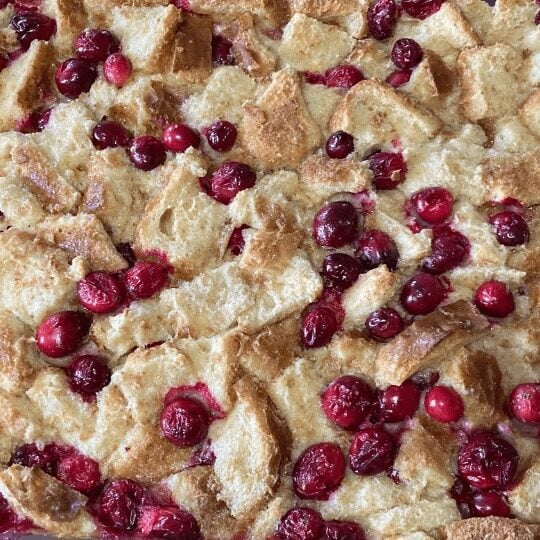
If I were spending a day baking at Downton, these are the recipes I'd bring along. Some can go upstairs on the pretty dishes. Others are staying downstairs with us.
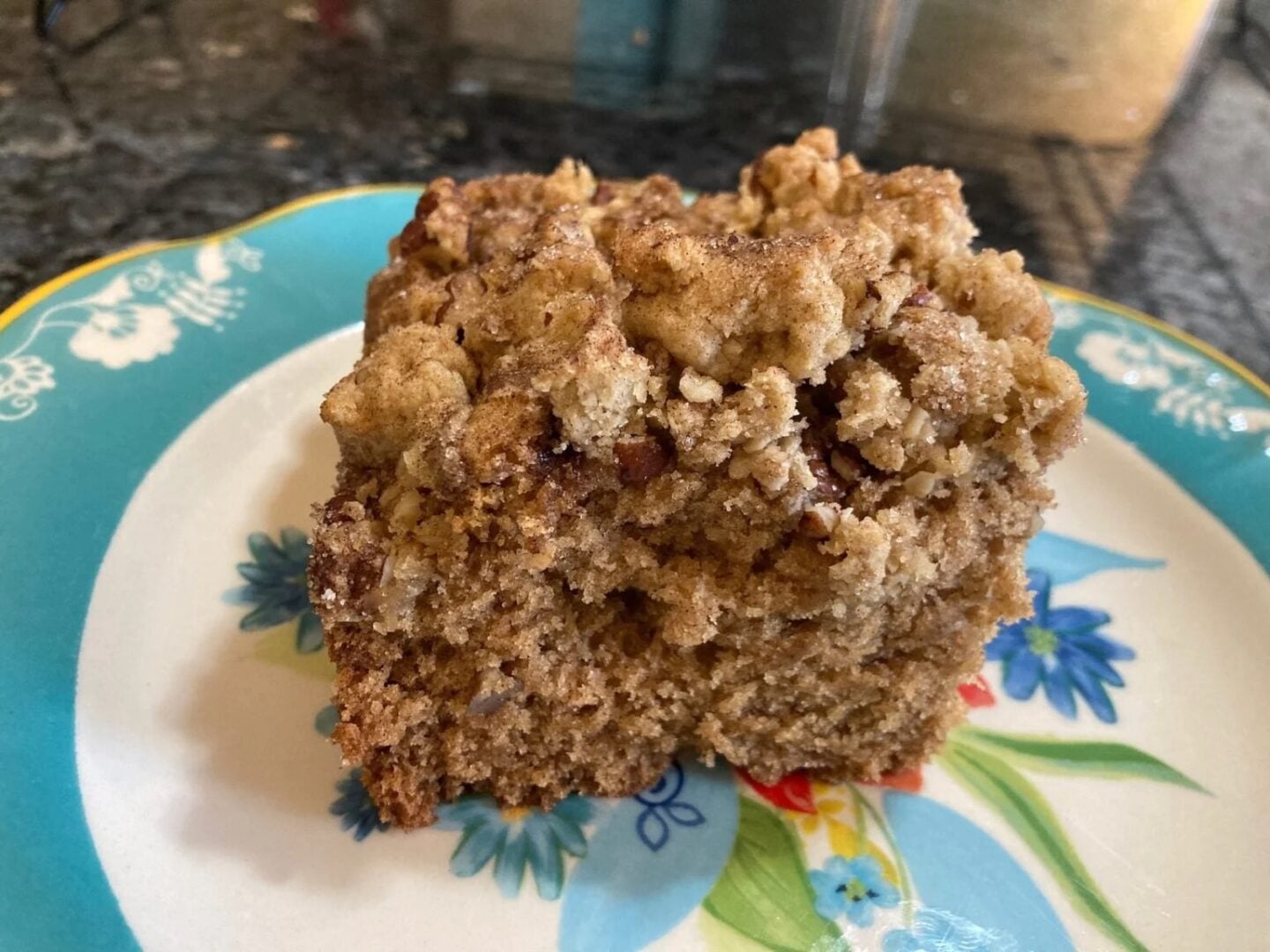
- Easy Cinnamon Streusel Coffee Cake — This one isn't going upstairs on a silver tray. I'm leaving it right here on Mrs. Patmore's kitchen table. With brown sugar, cinnamon, and a crumbly streusel topping, it's just the sort of simple breakfast cake I want to feed the people who actually keep Downton running. Daisy may have a piece as soon as she finishes whatever Mrs. Patmore has told her to do. Which means Daisy may never get a piece.
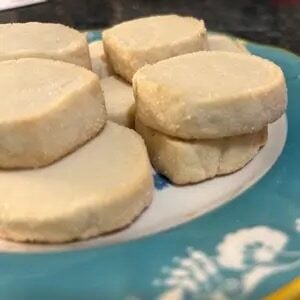
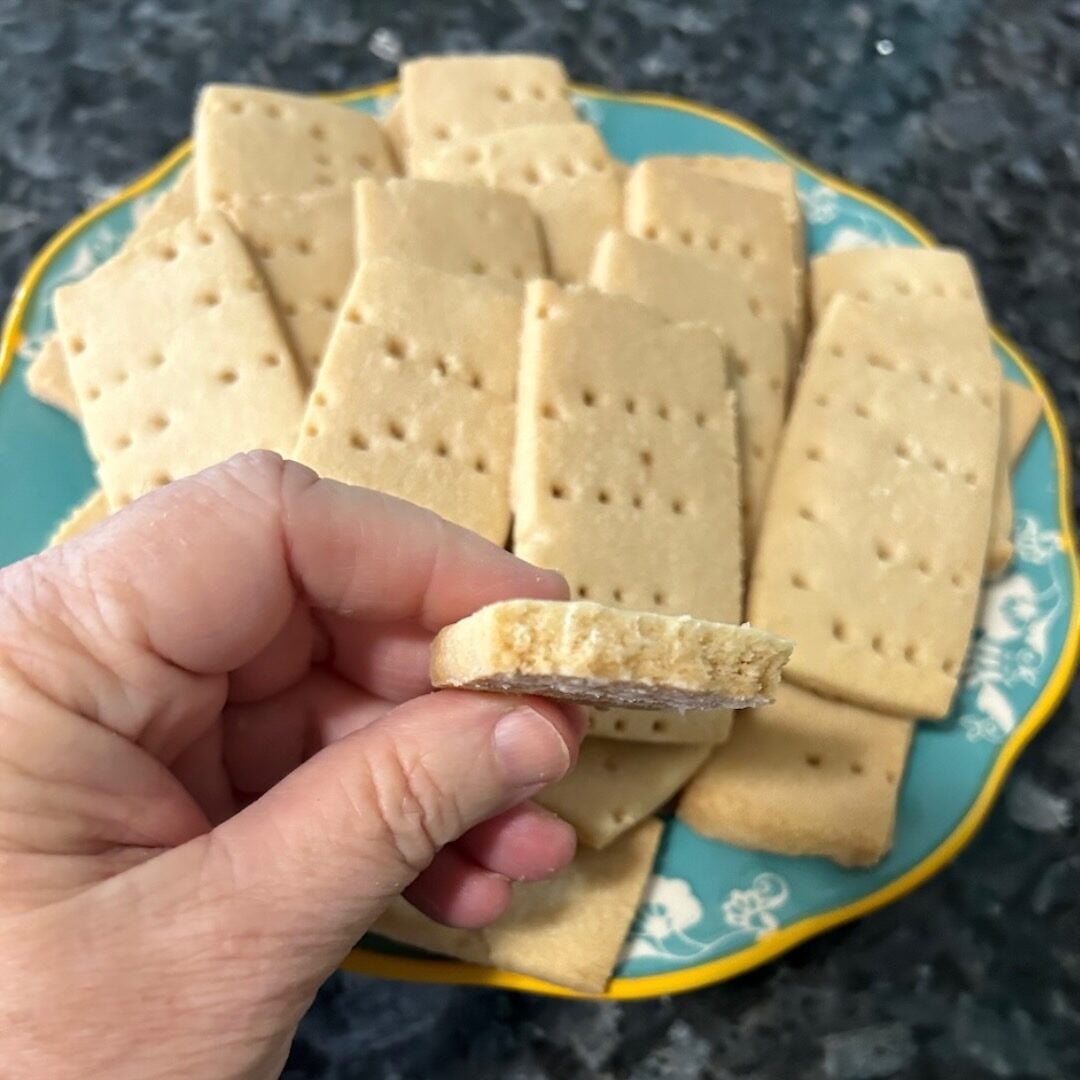
- Simple Scottish Shortbread Cookies — Buttery, simple, and lovely enough to go either direction. Put some on a pretty plate for upstairs, but hide a few in the kitchen first. Mrs. Patmore has earned them.
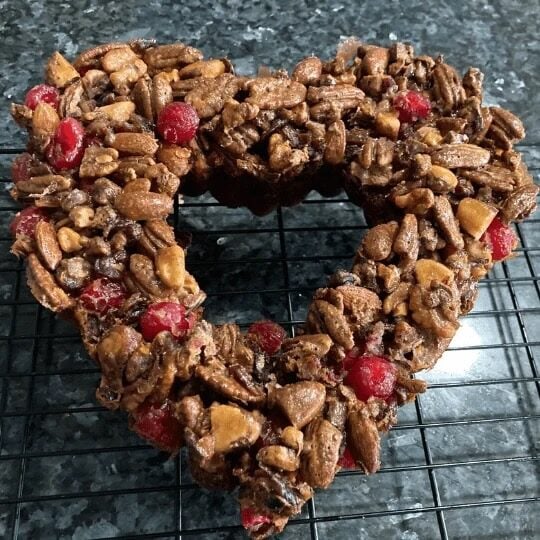
- Fruitcake — Now we're getting properly old-fashioned. This is the sort of substantial cake I can imagine being made ahead and carefully stored until it was needed. And unlike some of our daintier desserts, one slice actually feels like you've eaten something.
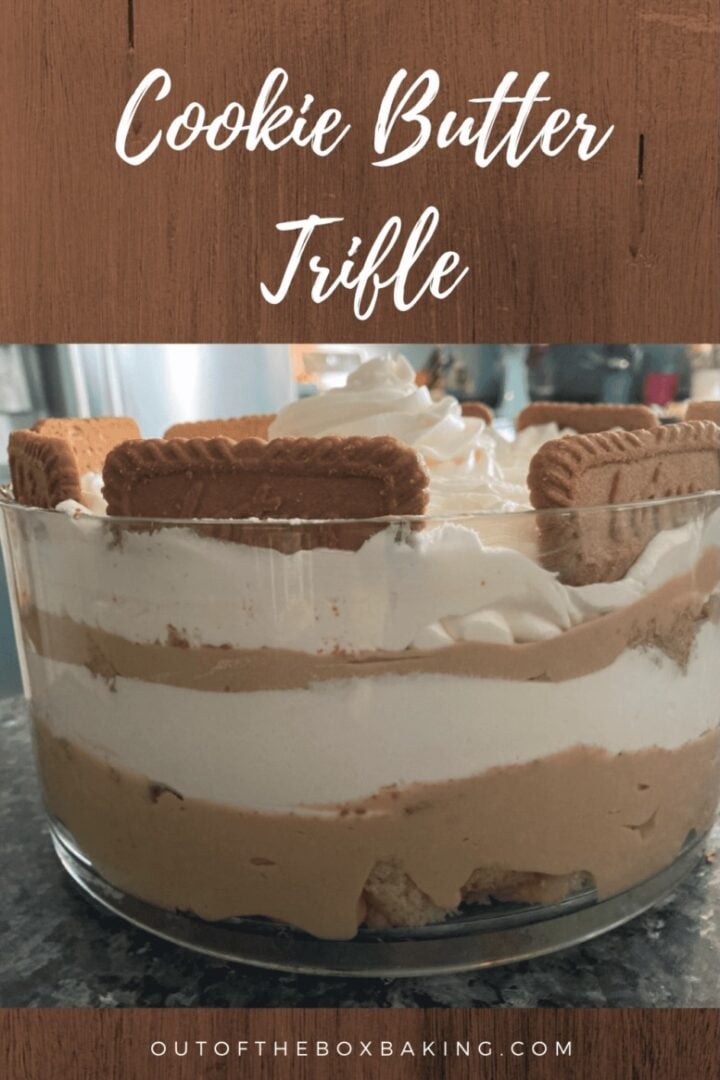
- Trifle — Oh, this one's going upstairs. Layers of cake, cream, and fruit in a beautiful glass dish deserve to be carried into the dining room with a little ceremony. Daisy, for heaven's sake, carry it carefully.
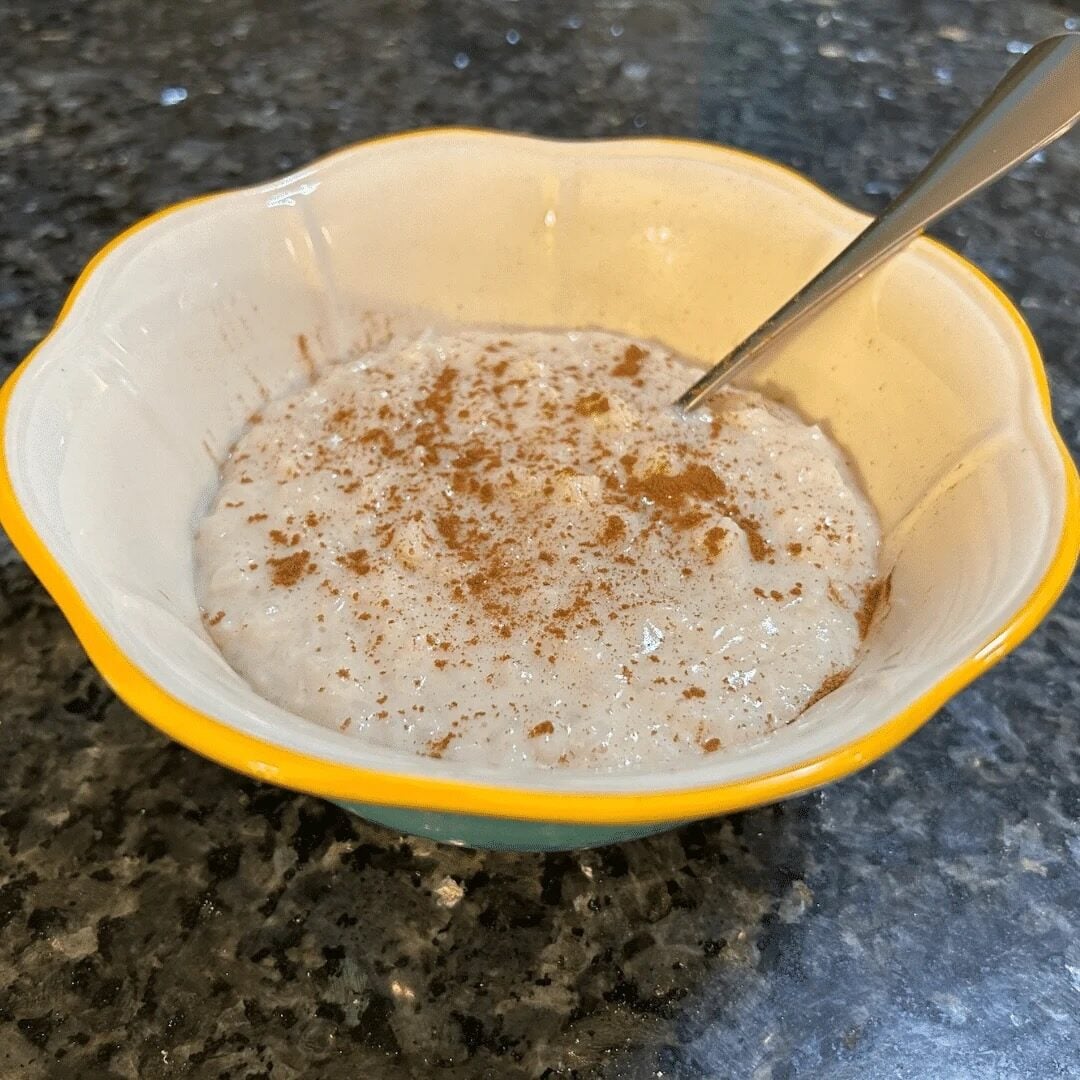
- Old-Fashioned Rice Pudding — This one can stay downstairs. Warm, simple, comforting, and exactly the sort of dessert I'd want after a long day spent feeding everybody else.
- Orange Cranberry Bread Pudding — Another wonderfully homey pudding that makes good use of simple ingredients. I can picture Mrs. Patmore approving of the practicality of bread pudding, although she'd undoubtedly find something to complain about while she made it.
And that's where I think I'd like to stay for a while.
Not upstairs waiting for someone to serve me.
Downstairs, in the warm kitchen.
Mrs. Patmore is fussing. Daisy is apologizing. Something wonderful is baking. Someone has just rung that blasted bell again, and Mrs. Patmore has several opinions about it.
I'd pour myself a cup of tea, cut a piece of that cinnamon streusel cake, and try very hard to stay out of her way.
Because I may be a baker.
But I'm not foolish enough to tell Mrs. Patmore how to run her kitchen.
They’re Still There
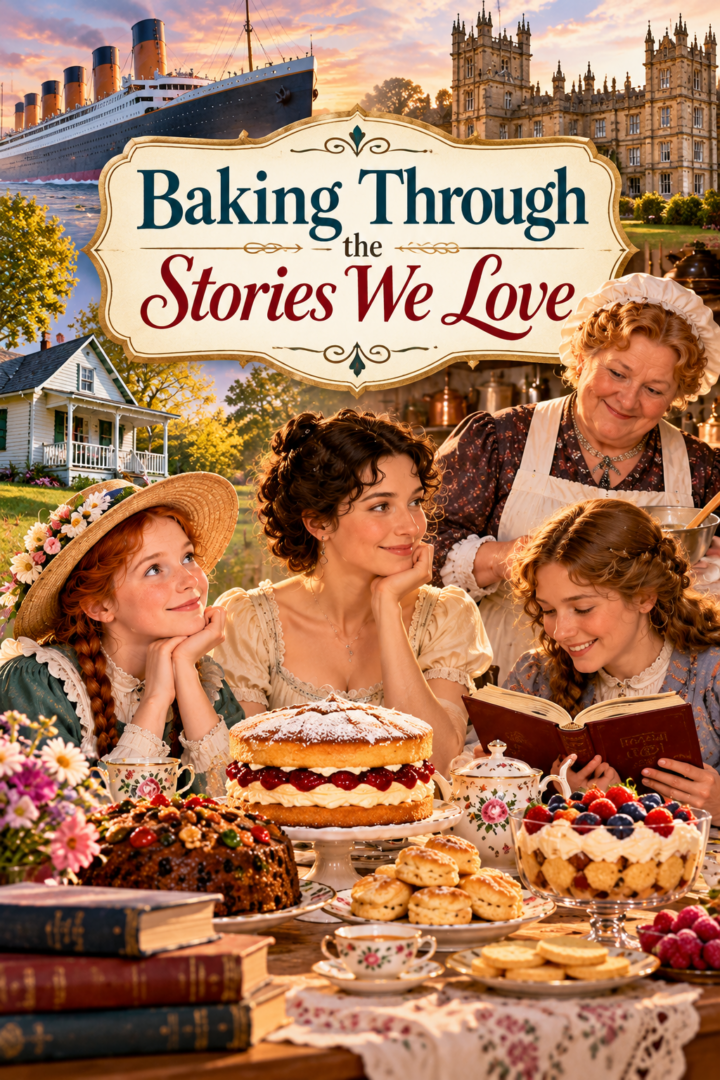
And just like that, our little journey through the stories we love has come to an end.
We've spent time with the March sisters, taken tea with the Bennets, somehow kept Anne and Diana out of the currant wine, warmed ourselves in Ma Ingalls's kitchen, sailed aboard Titanic, and finally made our way downstairs at Downton, where Mrs. Patmore is undoubtedly still hollering for Daisy.
And yet, as I've written this, I've realized something: They're still there.
Years pass. We grow up. Our children grow up. The books we once carried everywhere find their way back onto shelves. The VHS tapes disappear. The little girls who sat beside us watching favorite movies become women with lives and families and stories of their own.
- But Jo is still Jo.
- Elizabeth is still sparring with Mr. Darcy.
- Anne still has something to say—and probably won't be finished saying it anytime soon.
- Laura's family is still gathered together in the little house.
- Mrs. Patmore is still fussing at Daisy.
- And Titanic is forever sailing toward a night we wish we could rewrite.
Maybe that's one reason we return to the stories we love. The people inside them don't grow older while we're away.
We do.
I was a girl when I first wanted to be Jo March. Then I grew up and had four daughters of my own. We watched stories together, talked about which characters we were most like, and eventually I had the extraordinary experience of watching those same four girls become Meg, Jo, Beth, and Amy onstage.
And now they're grown.
But I can open Little Women, and there are the March sisters, exactly where I left them.
I can turn on Pride and Prejudice, and suddenly I'm back on the couch with my girls, settling in for hours at Longbourn even though we already know every bit of what's coming.
That's the magic of a beloved story.
We change. They wait for us.
And perhaps that's also why food fits so naturally into these worlds. Food has a way of doing the same thing. One taste of something we haven't eaten in years can take us back to a kitchen, a holiday, a grandmother's table, or an afternoon with our children before we even realize where we're going.
Stories do that, too.
So maybe we haven't really been baking our way through books and movies today.
Maybe we've been baking our way through memories.
Either way, our old friends are still waiting for us. The March sisters are together. Anne is talking. Elizabeth Bennet is still wonderfully Elizabeth. Ma has something warm on the table. Mrs. Patmore's kitchen is bustling.
And for just a little while, Titanic's lights are still glowing across the Atlantic.
There's still room at the table.
So pull up a chair.
And please pass the dessert.
Now I Want to Hear Your Story
If you could sit down to eat with one character from a favorite book, movie, or television series, who would it be—and what would you hope they served?
Thanks for stopping by!
If you make any of these delicious desserts and enjoy them please leave a comment or review. And before you go, please take the time to pin some photos to your Pinterest boards.