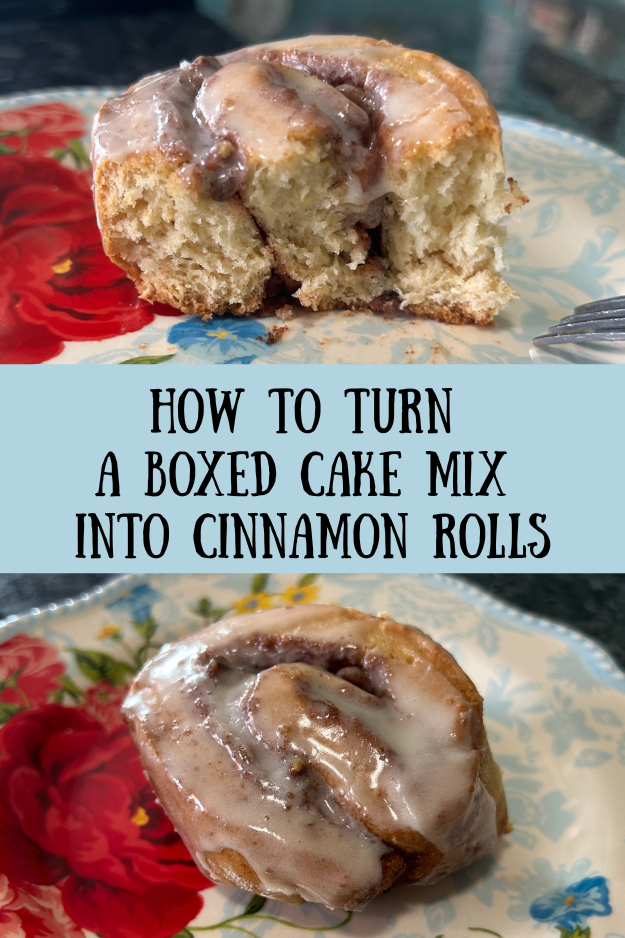
How to Turn a Boxed Cake Mix into Cinnamon Rolls
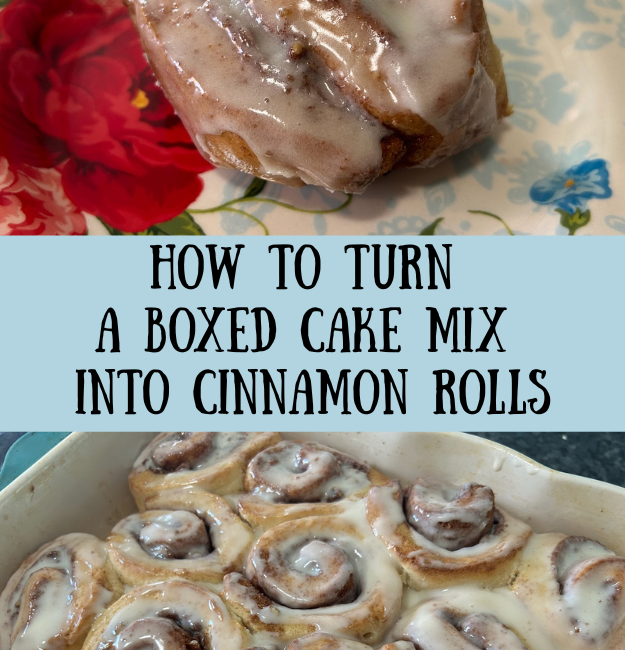
Learn how to turn a boxed cake mix into soft, homemade cinnamon rolls with this unique yeast dough recipe. Tender, buttery, and absolutely delicious!
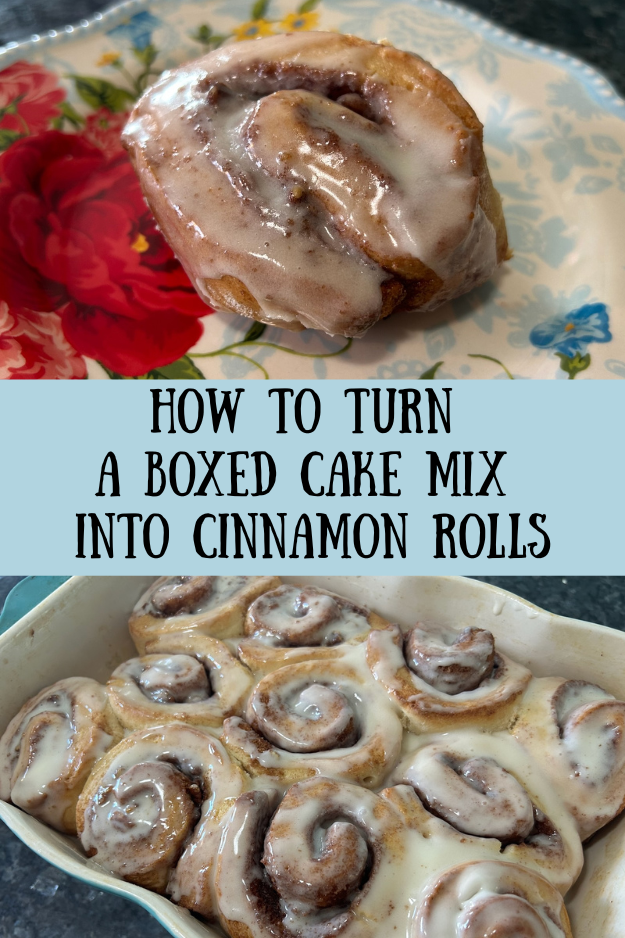
If someone had told me a month ago that I'd be making yeast-raised cinnamon rolls with a boxed cake mix, I probably would have laughed.
Of all of my "How to Turn a Boxed Cake Mix into..." experiments, this was the one that made me the most nervous.
Why? Because cinnamon rolls aren't cake. They're bread.
I've spent years transforming cake mixes into cookies, pound cakes, brownies, petit fours, dessert bars, muffins, and all sorts of unexpected treats. But cinnamon rolls felt different. They rely on yeast, gluten development, and patience. I honestly wasn't convinced a cake mix belonged anywhere near bread dough.
It's Easy to Convert a Cake Mix to Cinnamon Rolls
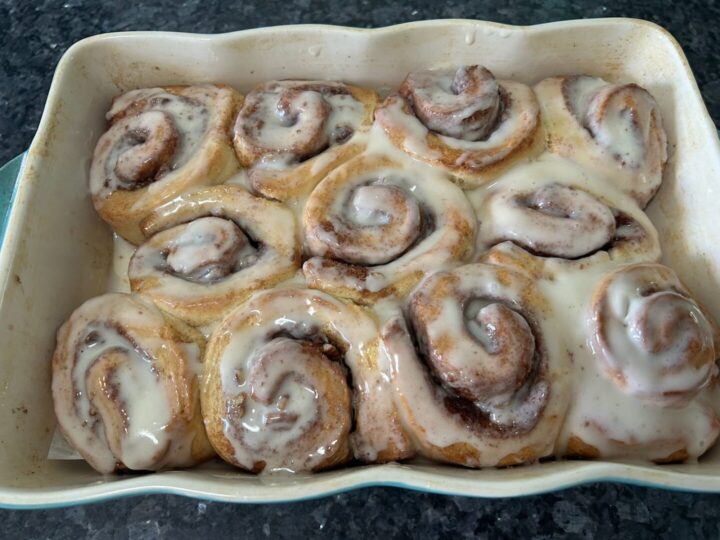
Wouldn't people just ask, "Why not make cinnamon rolls from scratch?"
That's a fair question.
After spending the afternoon experimenting, I think I finally know the answer.
The cake mix isn't there simply because it's convenient. It's there because it brings something unique to the dough. It contributes sweetness, vanilla flavor, tenderness, and richness that you don't get from a traditional bread dough. The finished rolls aren't exactly like classic cinnamon rolls—but they're not supposed to be. They're soft, buttery, wonderfully tender, and completely delicious in their own right.
Sometimes I feel like a mad scientist in the kitchen.
I love asking ridiculous questions.
- Can a cake mix become a pound cake?
- Can it become cookies?
- Can it become dessert bars?
And now...
- Can it become homemade cinnamon rolls?
After today's experiment, the answer is a happy yes.
This recipe joins a growing collection of cake mix transformations on my blog, and I have a feeling it won't be the last sweet roll to come out of my kitchen.
Why This Recipe Works
One thing I want to be completely honest about: this isn't the quickest cinnamon roll recipe you'll ever make.
If you're looking for a twenty-minute shortcut, I already have several cinnamon roll recipes that fit the bill. My canned biscuit cinnamon rolls are incredibly easy, and my flaky pie crust version is always a hit. I even have a sourdough recipe for those who enjoy a longer baking project.
This recipe lands comfortably in the middle.
A Delicious, Soft Cinnamon Roll. . .Straight from Your Kitchen
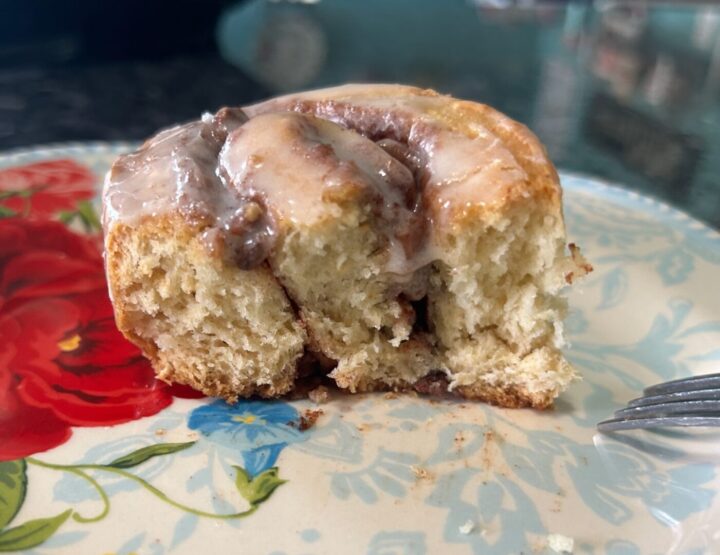
You'll still knead the dough, allow it to rise, roll it out, add the filling, shape the rolls, and bake them until golden. In other words, you'll still get the satisfaction of making homemade cinnamon rolls. The difference is that your cake mix becomes part of the dough itself, adding flavor and tenderness while eliminating the need to measure sugar and several other ingredients from scratch.
If you enjoy baking almost as much as you enjoy eating, I think you're going to love this one.
Ingredients
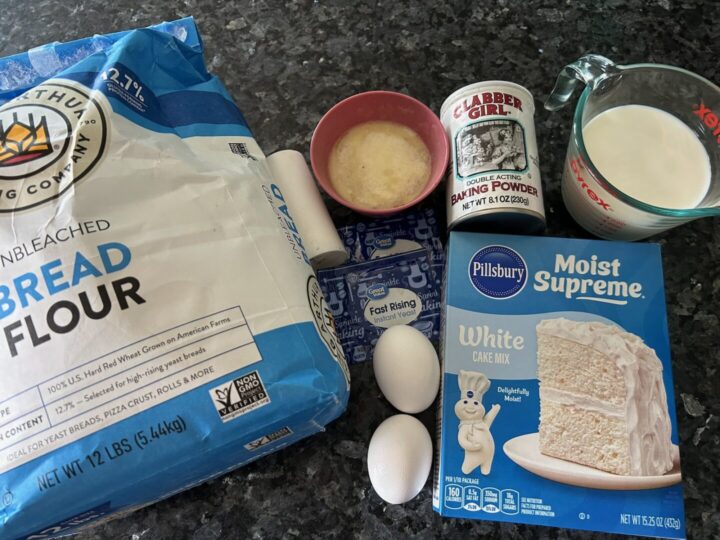
You will find a full printable recipe card at the bottom of this post but here's a glance at what you're going to need to convert a cake mix to cinnamon rolls. Whether you're starting with a white cake or flavored, the ingredients and process will be the same. (Though, a flavored cake mix might call for a different filling.)
For the Dough
- 1 (15.25-ounce) white cake mix
- 3¾ cups bread flour (450 grams)
- 2 packets (4½ teaspoons) instant yeast
- 2 teaspoons baking powder
- 1 teaspoon salt
- 1 cup warm whole milk (105°–110°F)
- ⅓ cup melted butter
- 2 large eggs
Cinnamon Filling
- ½ cup softened butter (I would use a bit more next time)
- 1 cup packed brown sugar
- 2 tablespoons cinnamon
- pinch salt
- 1 cup chopped pecans (optional)
Glaze
- 2 cups powdered sugar
- 3 tablespoons milk
- 1 teaspoon vanilla
- pinch salt
How to Make Cake Mix Cinnamon Rolls
Step One: Mix the Dry Ingredients
Weight out the bread flour. You will need 450 grams.
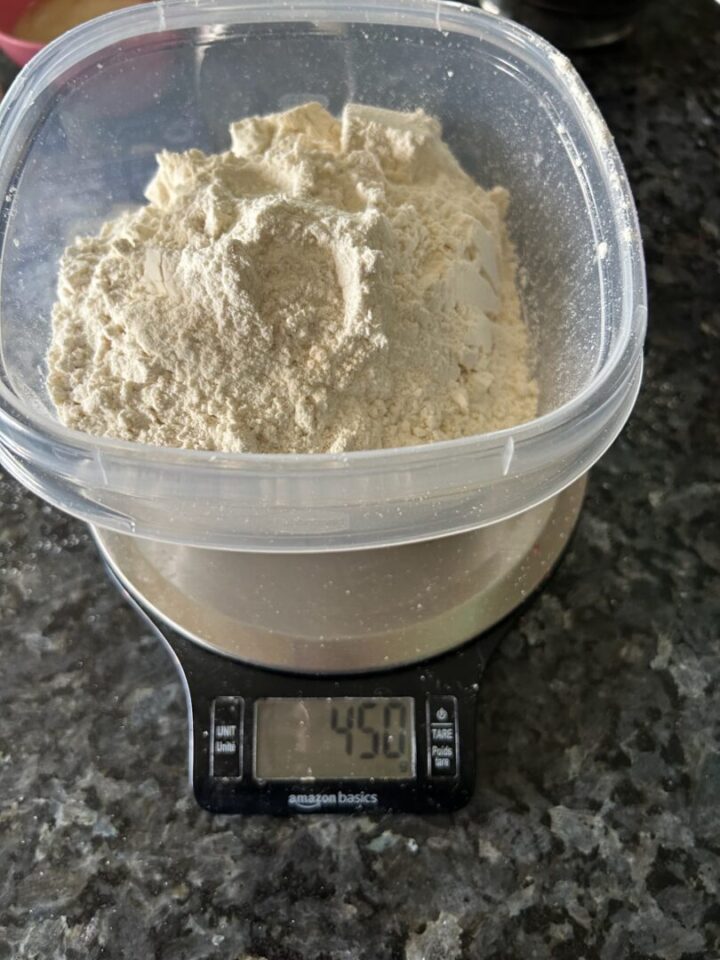
In a large mixing bowl, whisk together the cake mix, bread flour, instant yeast, baking powder, and salt. Since we're transforming a cake mix into a yeast dough, it's important to combine these ingredients thoroughly before adding the liquids.
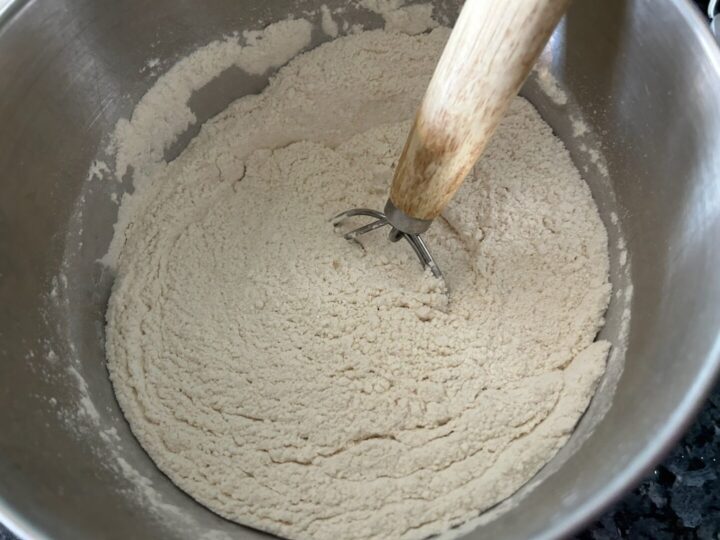
Step Two: Add the Wet Ingredients
In a separate bowl, whisk together the warm milk, melted butter, and eggs. The milk should feel pleasantly warm—not hot—since excessive heat can damage the yeast.
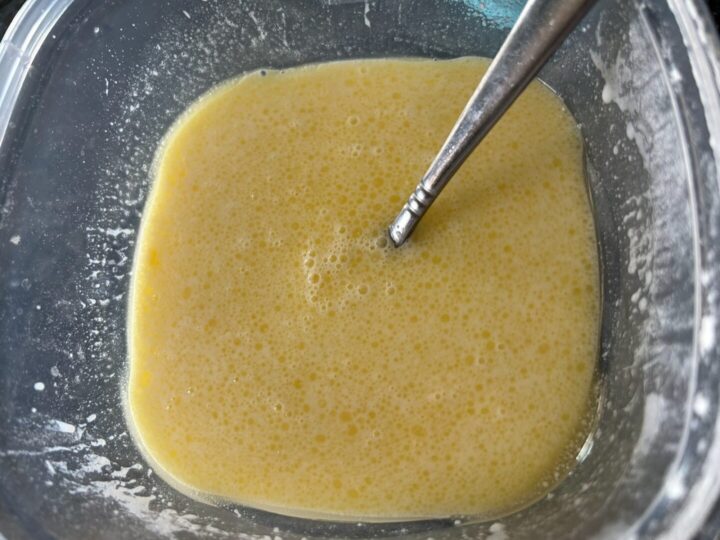
Pour the wet ingredients into the dry ingredients and stir until a shaggy dough forms. It will look rough at first, but that's exactly what you're looking for.
Step Three: Knead the Dough
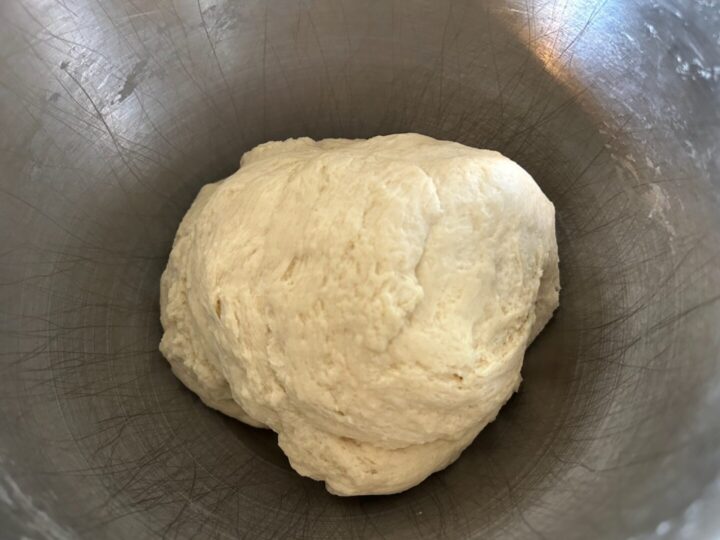
Transfer the dough to a lightly floured surface or continue mixing with a dough hook. Knead for six to eight minutes, until the dough becomes smooth, soft, and only slightly tacky. If it feels overly sticky, add a tablespoon or two of flour, but avoid adding too much. A softer dough makes softer cinnamon rolls.
Step Four: Let the Dough Rise
Place the dough in a lightly greased bowl, cover it, and let it rest in a warm place for about an hour.
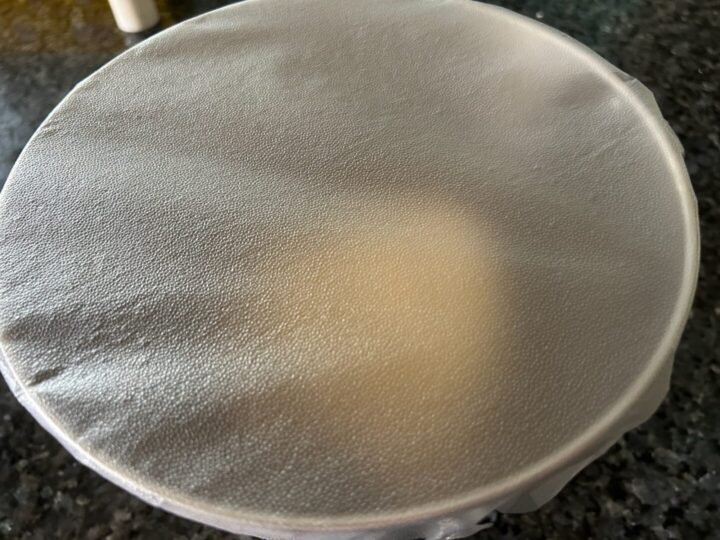
Here's where I need to reassure you. My dough barely appeared to rise at all. I actually wondered if the recipe had failed! It hadn't. Because of the extra sugar in the cake mix, this dough behaves differently than a traditional cinnamon roll dough. Don't panic if yours doesn't double in size. Mine certainly didn't.
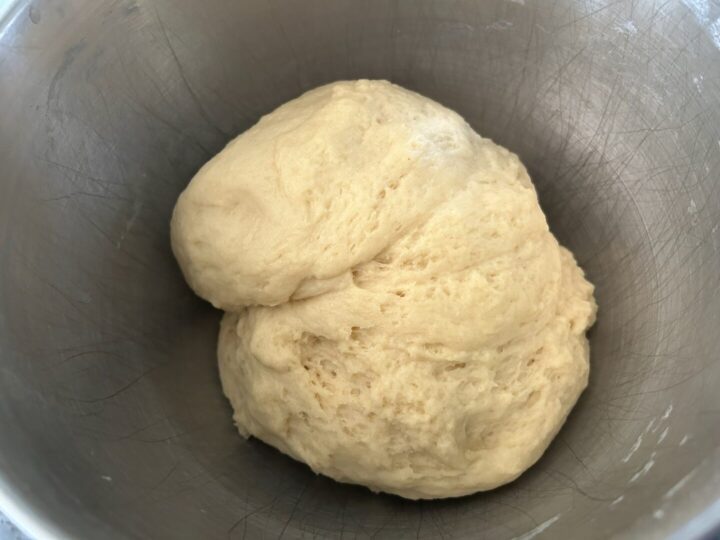
Step Five: Roll and Fill the Dough
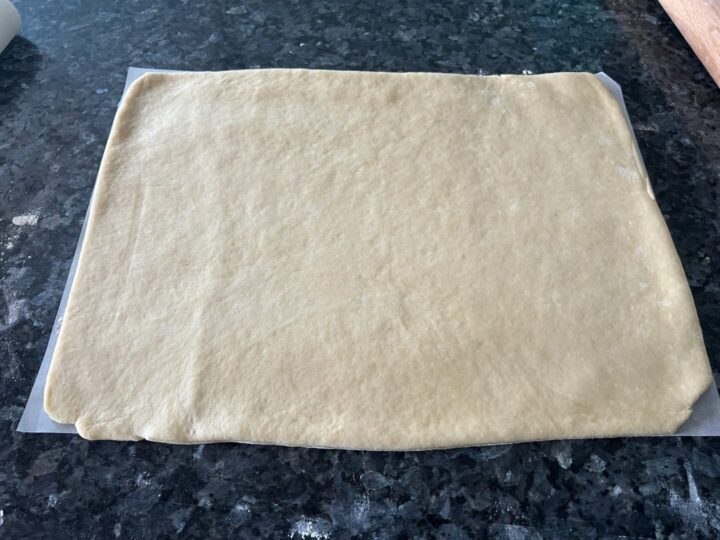
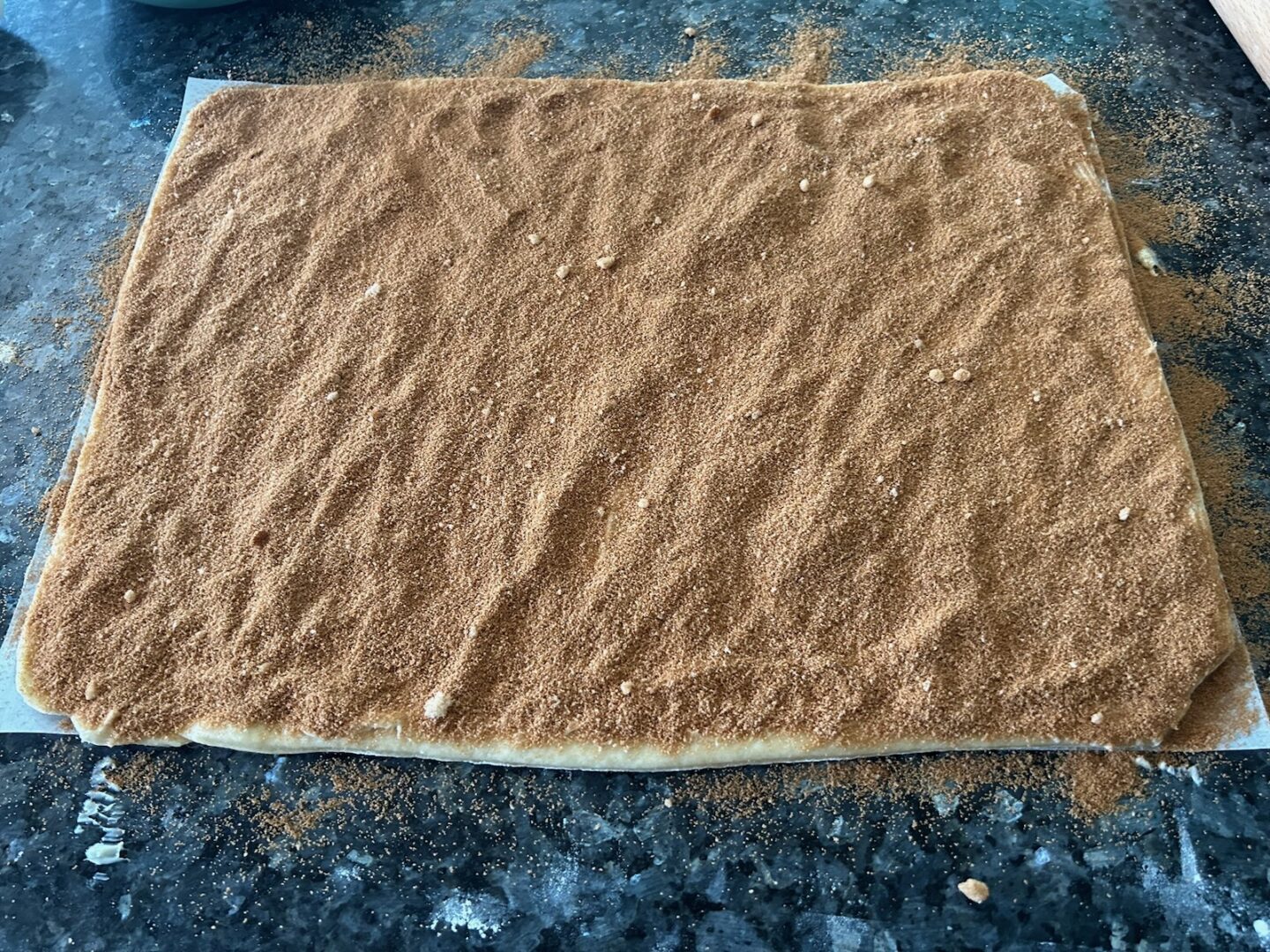
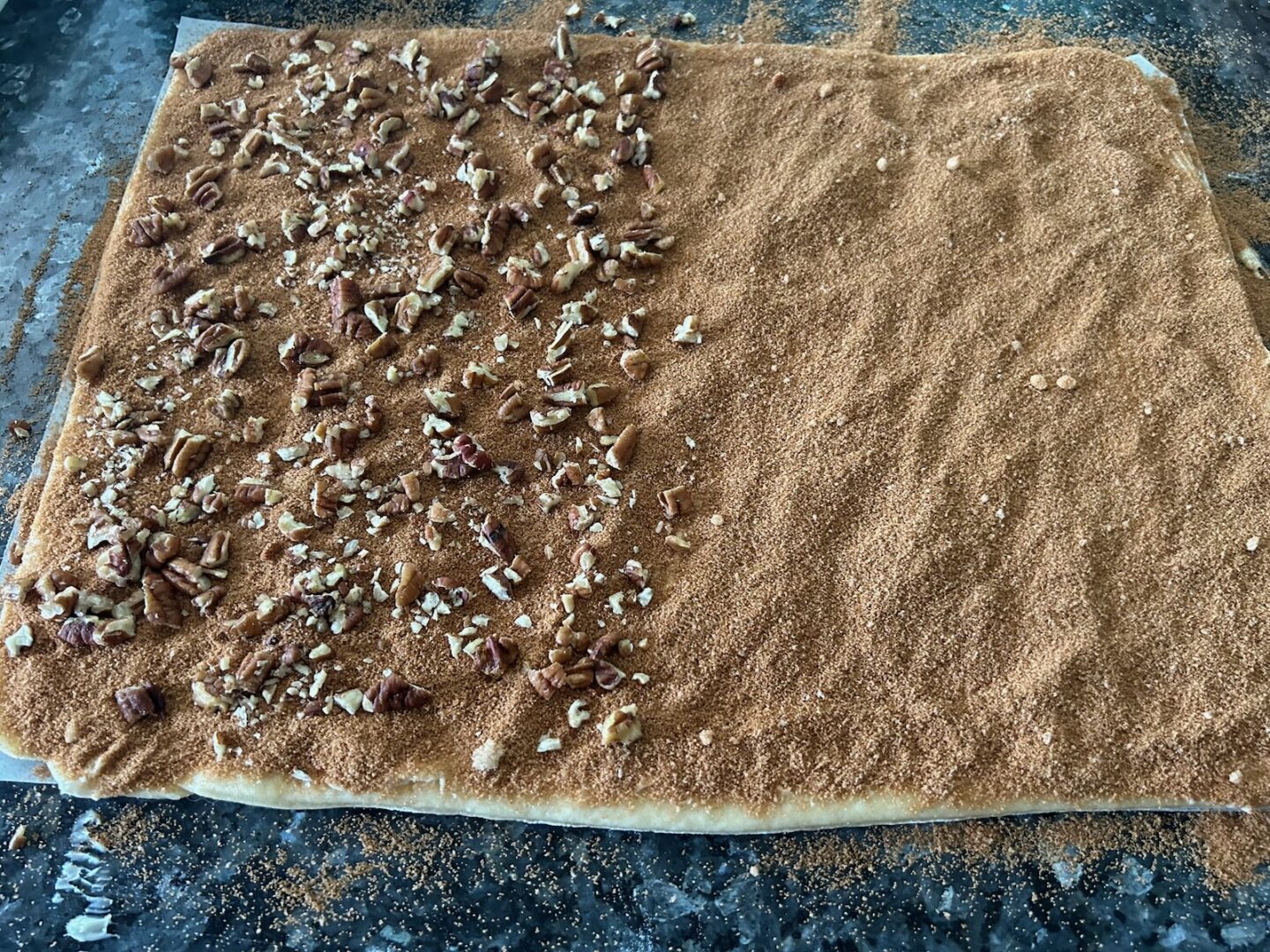
Roll the dough into a large rectangle. I rolled mine to roughly the size of a sheet of parchment paper, which made it easy to use the paper to help roll the dough into a log. Next time I'll probably roll it a little thinner for even more spirals.
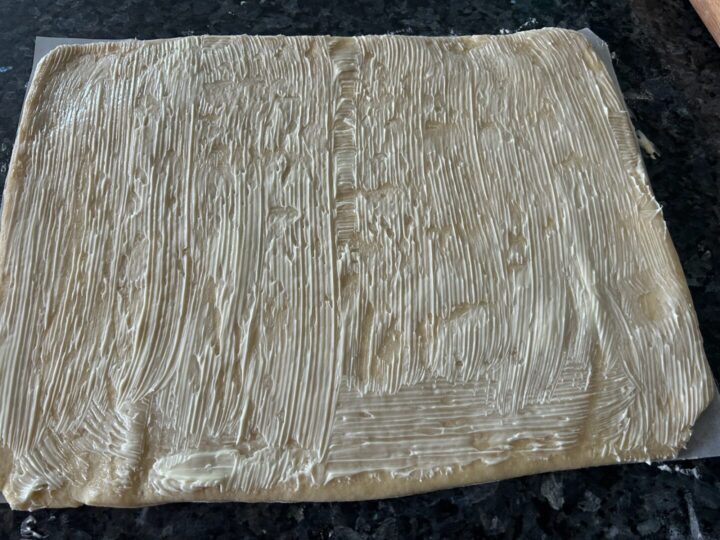
Spread the dough generously with softened butter.
Cover almost the entire surface with the cinnamon-sugar mixture. I also sprinkled on chopped pecans, but they're completely optional.
Step Six: Shape the Rolls
Starting with the long edge, roll the dough tightly into a log.
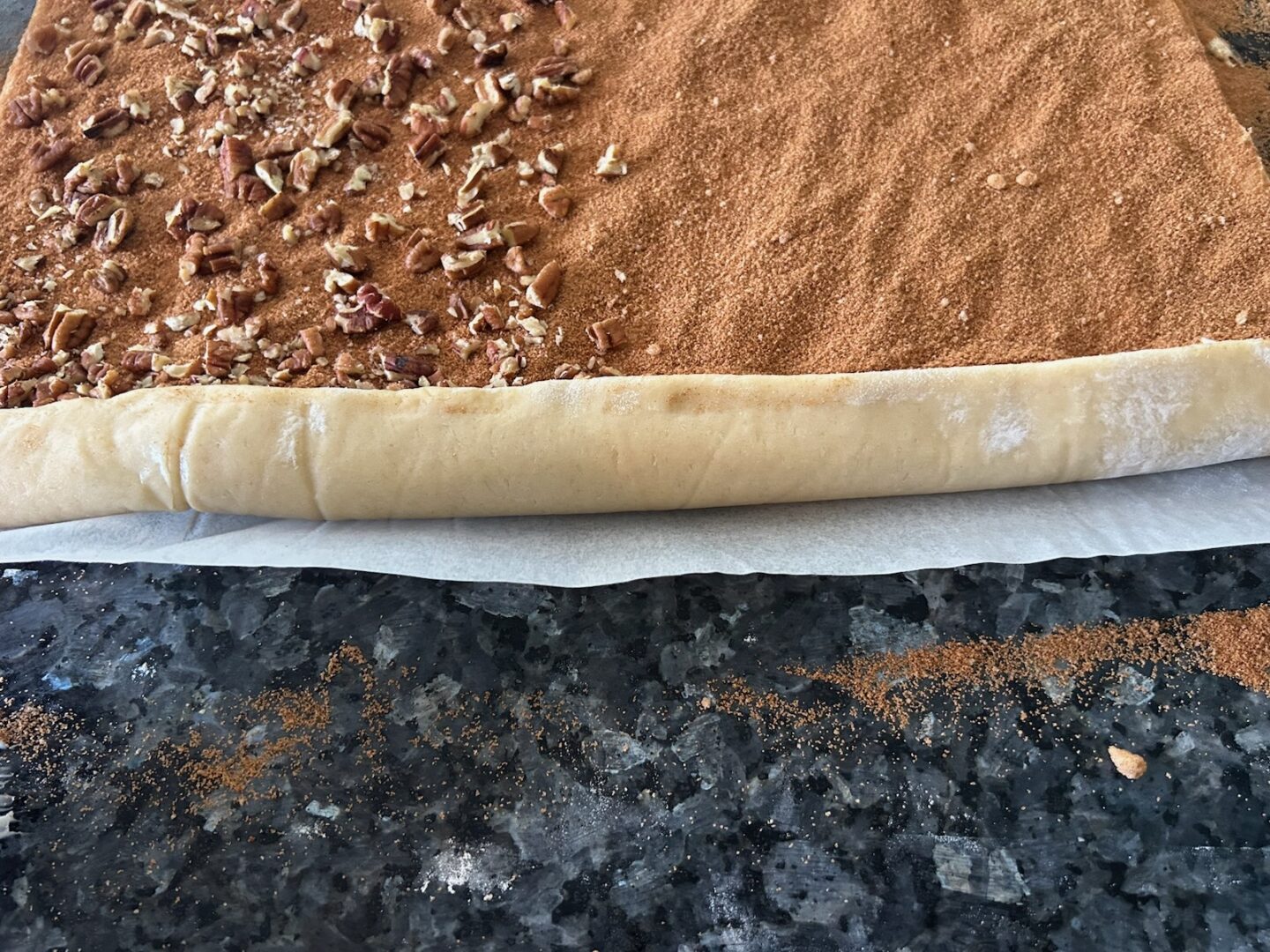
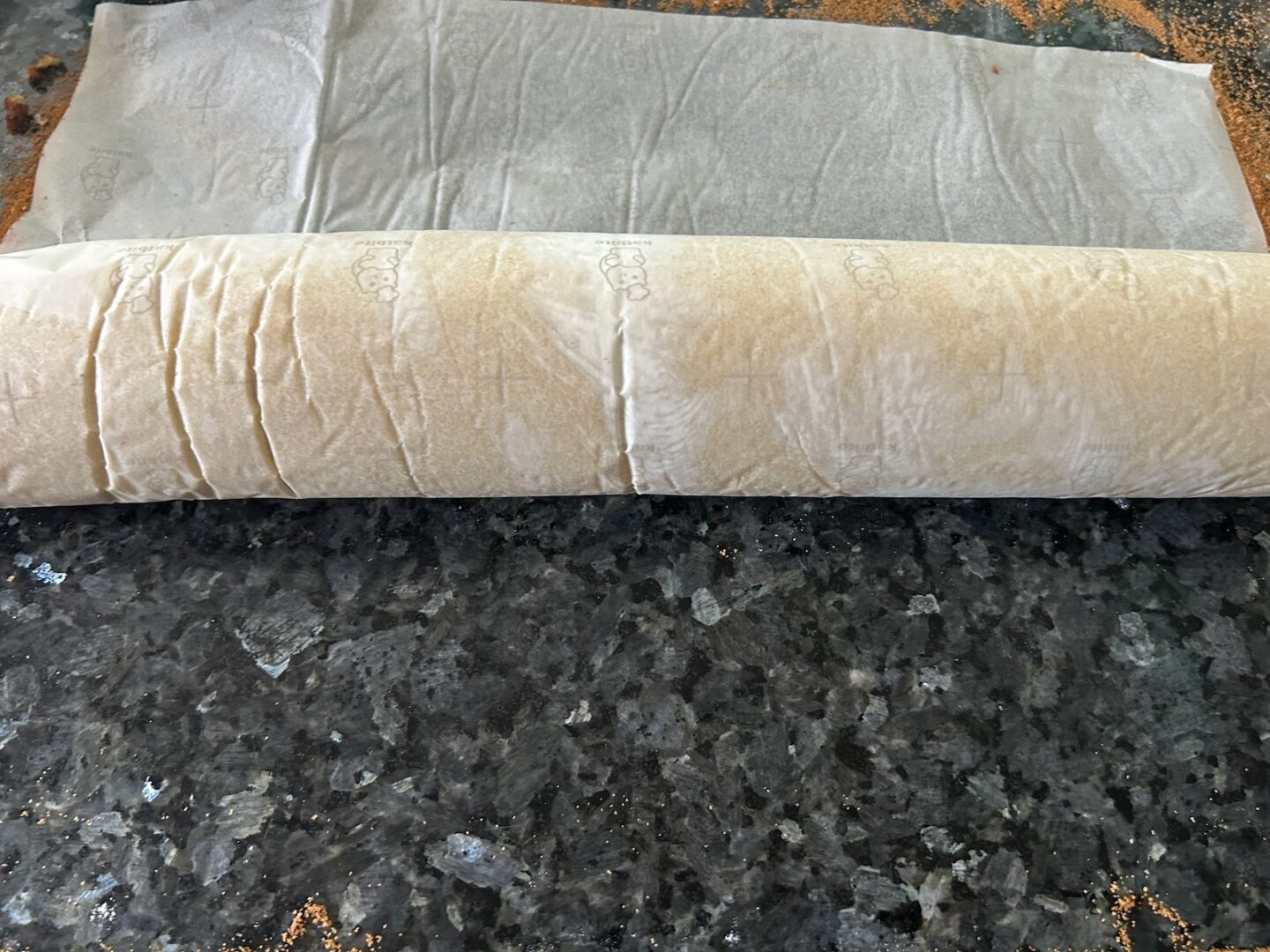
Slice it into twelve rolls and arrange them in a greased 9 x 13-inch baking dish. (I placed a piece of parchment paper on the bottom of mine, which I highly recommend.)
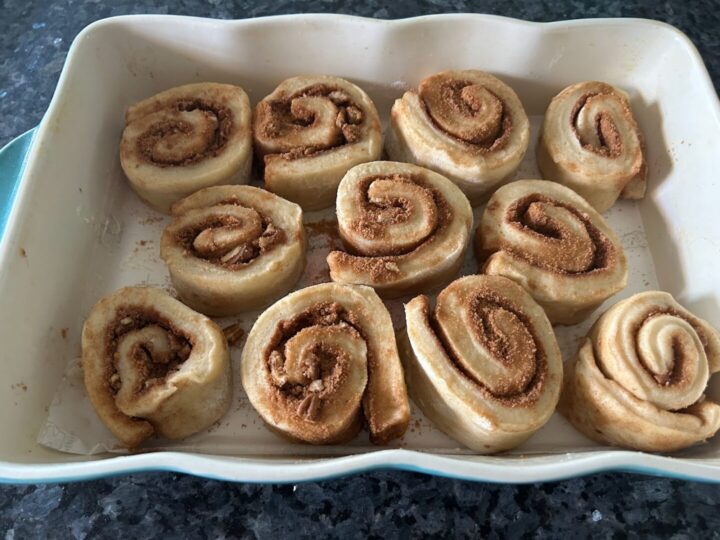
Cover the pan and let the rolls rest for another 30 to 45 minutes. Again, don't expect dramatic rising. Mine looked almost the same before baking as they did when I first placed them in the pan.
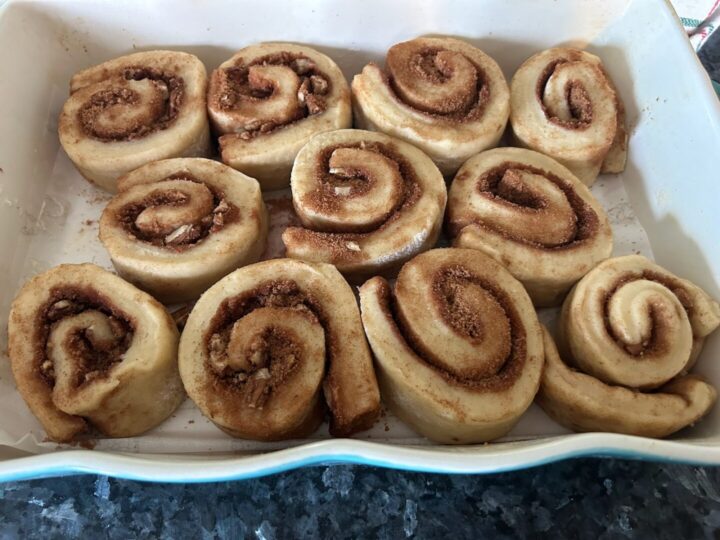
Step Seven: Bake
Bake in a preheated 350-degree oven for 30 to 35 minutes, or until lightly golden. My rolls reached an internal temperature of about 192 degrees, but I left them in for another three minutes just to make sure the centers were fully baked.
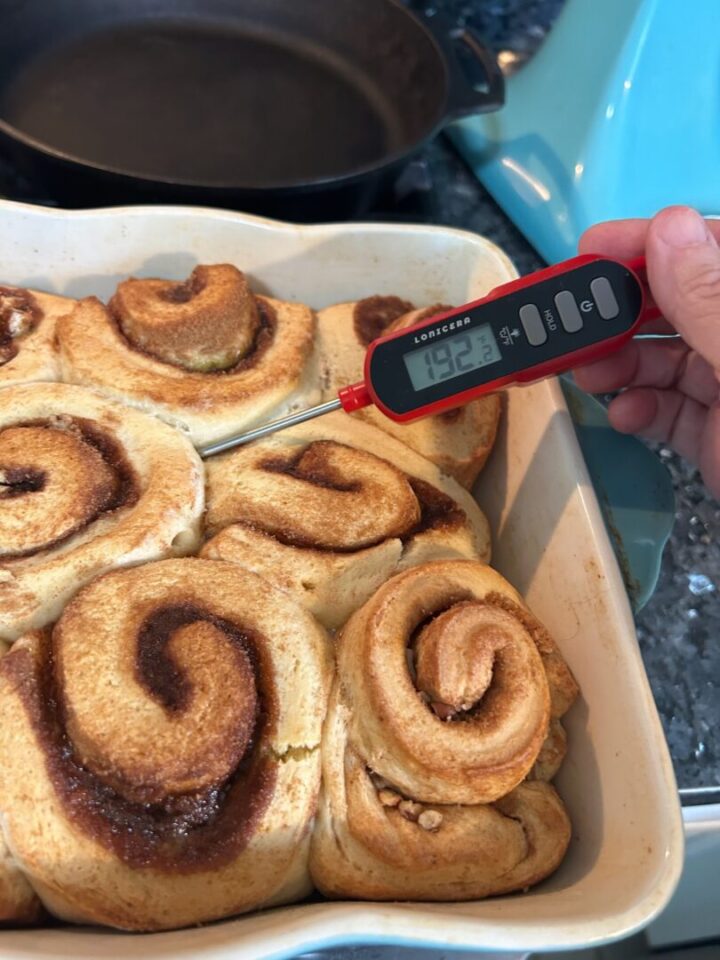
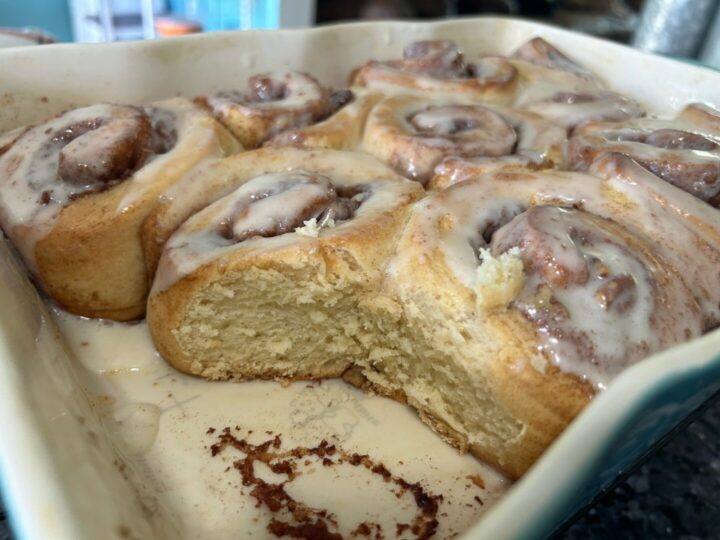
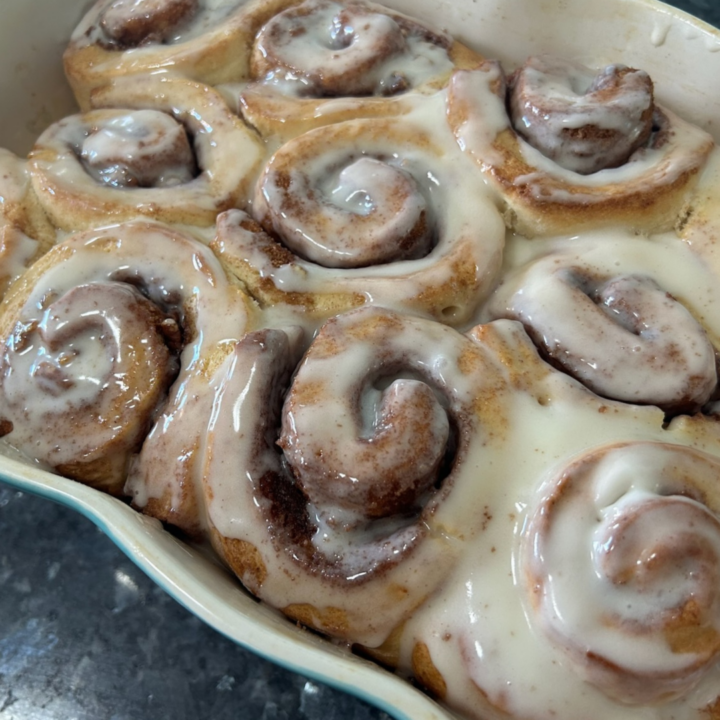
This is where the magic happened. Even though the dough barely rose during the proofing stages, the rolls puffed beautifully in the oven and completely filled the pan.
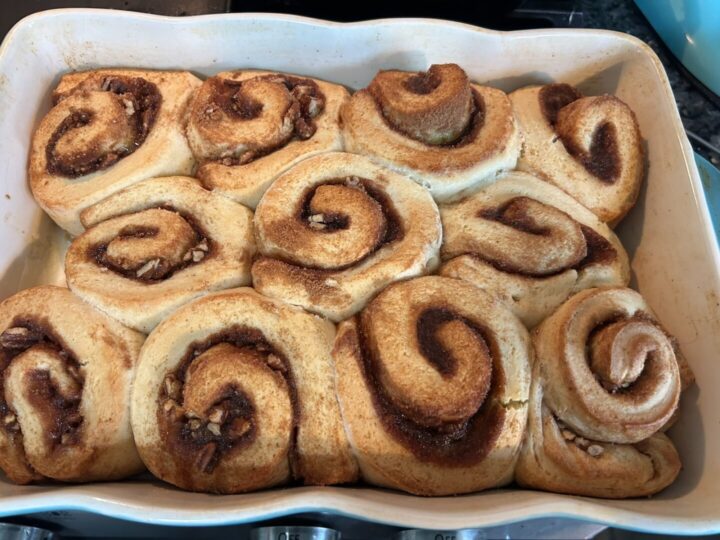
Step Eight: Glaze and Serve
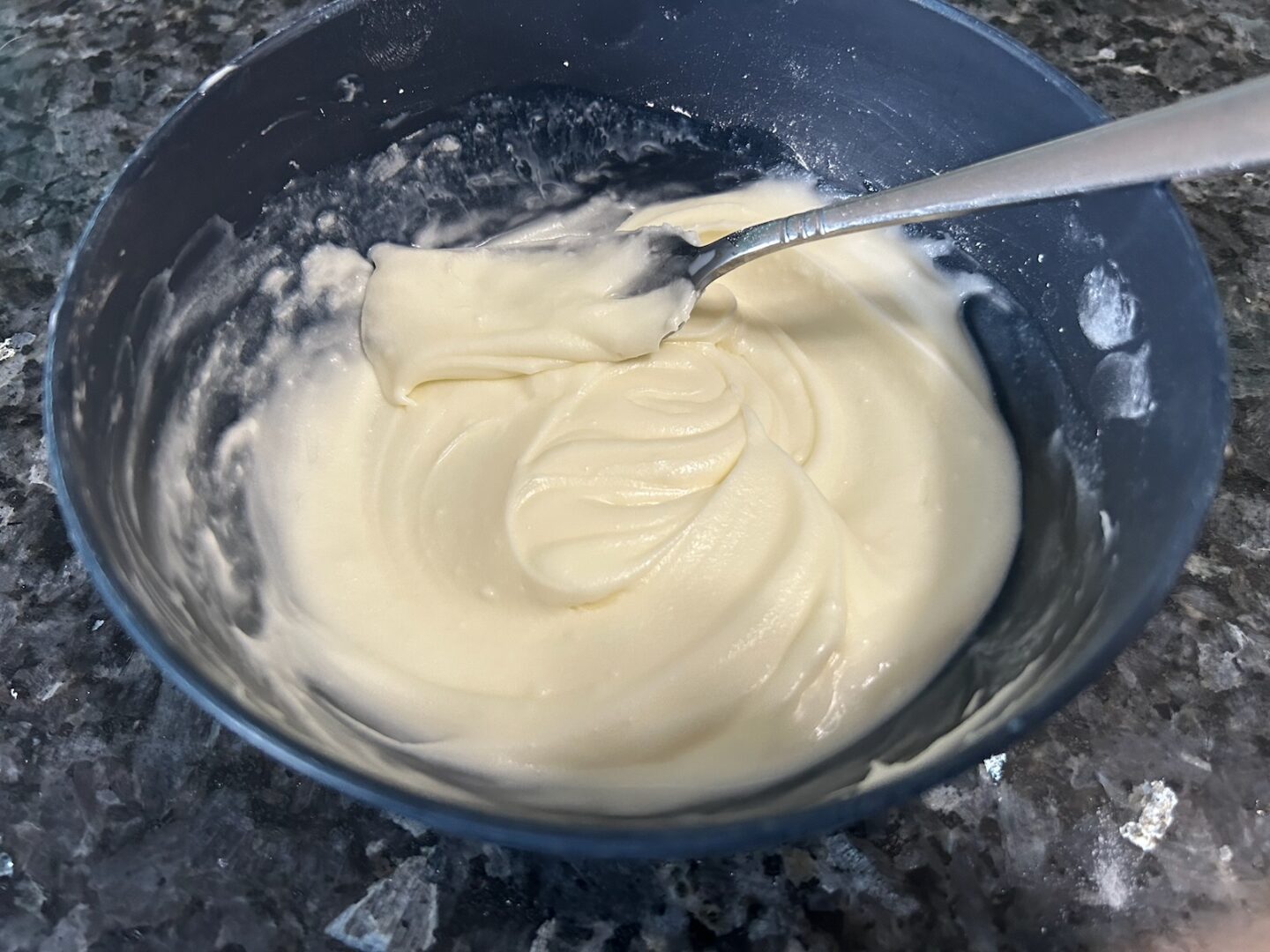
Allow the rolls to cool for about ten minutes before adding the glaze. I happened to have leftover vanilla buttercream in the refrigerator, so I thinned it with a little milk to make a quick glaze. It melted perfectly into the warm rolls.
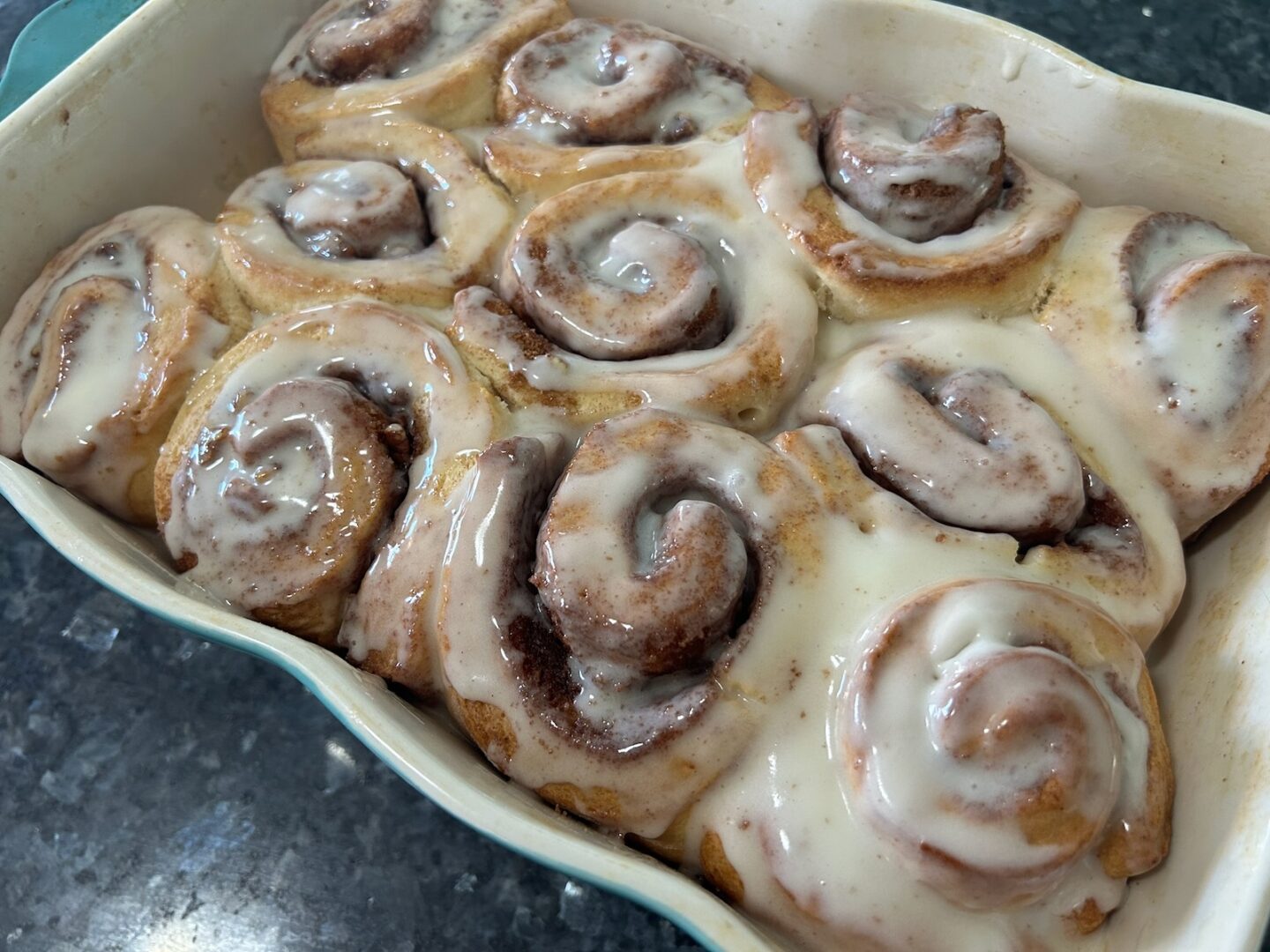
Serve warm and enjoy!
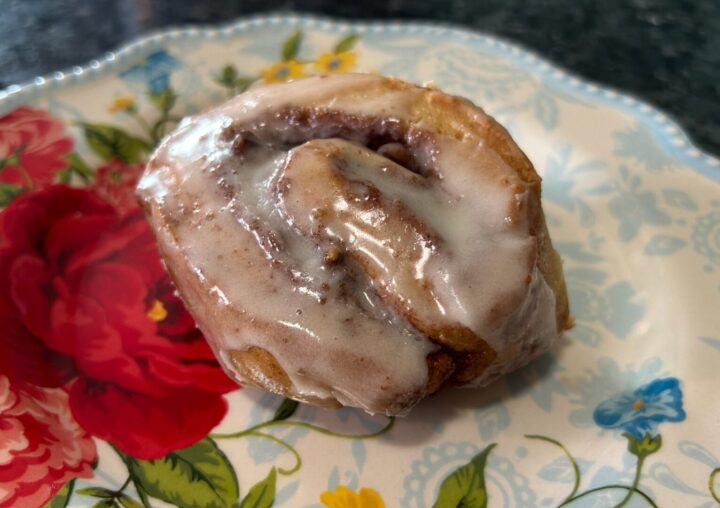
Why You'll Love These Cake Mix Cinnamon Rolls
If you've already made my How to Turn a Boxed Cake Mix into a Pound Cake or How to Turn a Boxed Cake Mix into Cookies, you already know how much fun it is to see a simple cake mix transformed into something completely unexpected.
These cinnamon rolls are:
- Soft and fluffy with a tender crumb
- Rich, buttery, and perfectly sweet
- Easier than many traditional cinnamon roll recipes
- A wonderful introduction to working with yeast dough
- Perfect for weekend breakfasts, brunches, holidays, or special occasions
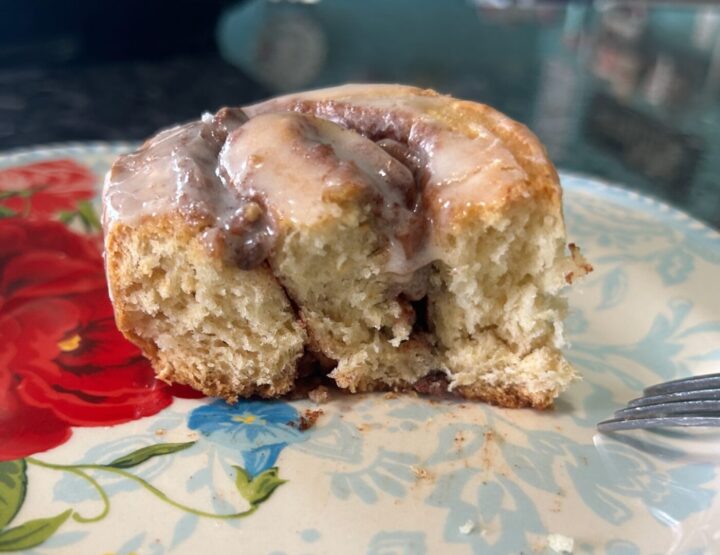
Unlike canned cinnamon rolls, these have that delicious homemade taste and feel. Unlike traditional yeast dough, they begin with a familiar boxed cake mix that adds flavor from the very first bite. (I'm already thinking of variations! Can you imagine orange cake mix? Or lemon?)
Is This Recipe Easier Than Traditional Cinnamon Rolls?
Not exactly.
This isn't a "dump and stir" recipe, and I don't want to pretend otherwise.
You'll still knead the dough, let it rise, roll it out, spread on the filling, shape the rolls, allow them to rise again, and bake them until golden.
But if you've never worked with yeast before, don't let that scare you away.
This dough is wonderfully forgiving, and there's something incredibly satisfying about watching it rise into beautiful homemade cinnamon rolls.
My Biggest Takeaways
After making these for the first time, there are a couple of things I'll do differently next time.
First, I'll roll the dough a little thinner. That will create more beautiful spirals and a softer center.
Second, I'll use a more generous layer of softened butter beneath the cinnamon sugar. A little extra butter helps create that gooey, bakery-style filling we all love.
Finally, don't skimp on the filling. Spread the cinnamon sugar almost all the way to the edges so every bite is packed with flavor.
The recipe was delicious exactly as written—but like every good experiment, it taught me a few things for next time.
Let's Explore the "How to Turn a Boxed Cake Mix..." Series
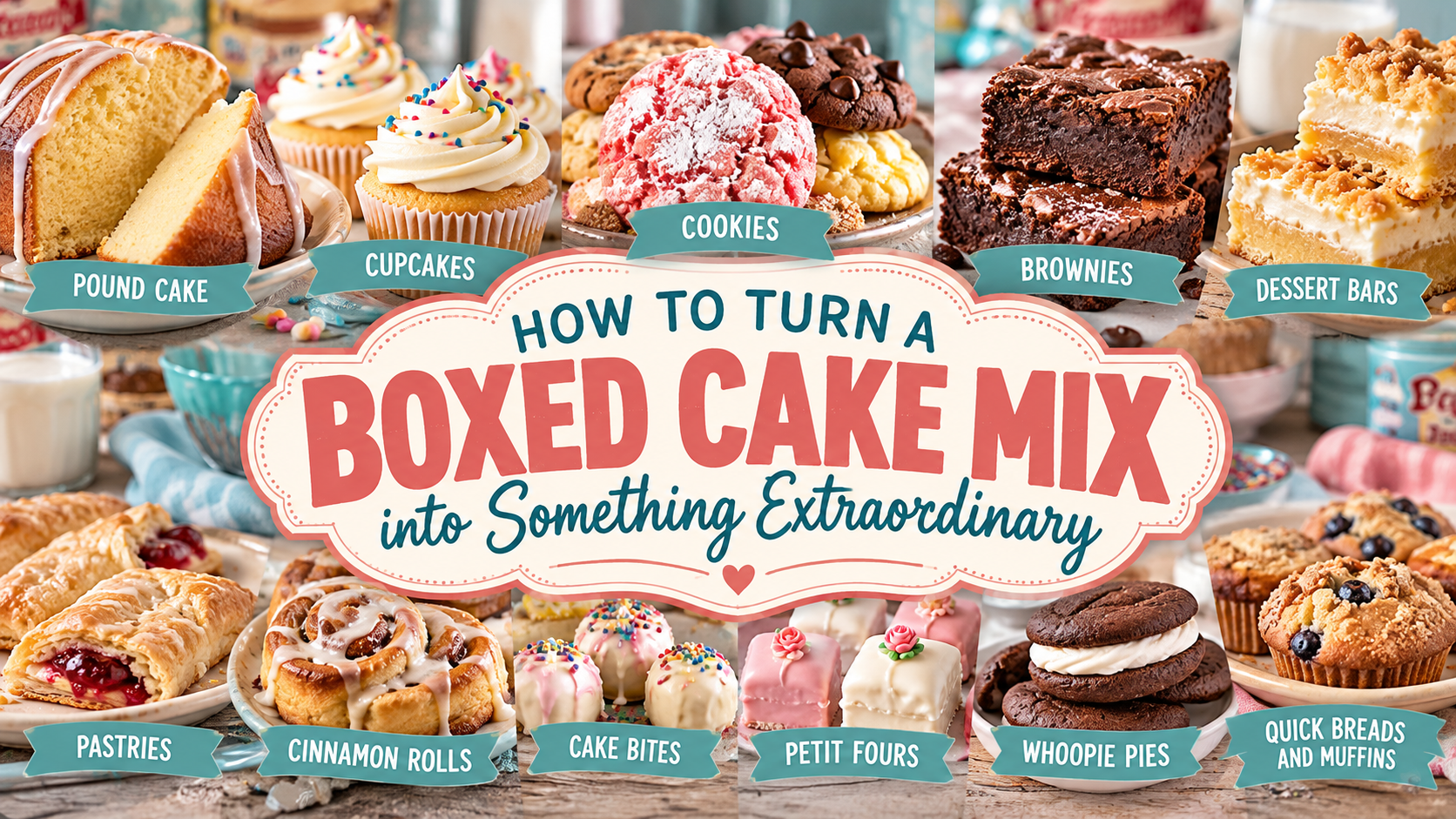
Click any guide below to discover a new way to transform an ordinary boxed cake mix into something extraordinary.
- 🧈 How to Turn a Boxed Cake Mix into a Pound Cake
- 🧁 How to Turn a Boxed Cake Mix into Cupcakes
- 🍪 How to Turn a Boxed Cake Mix into Cookies
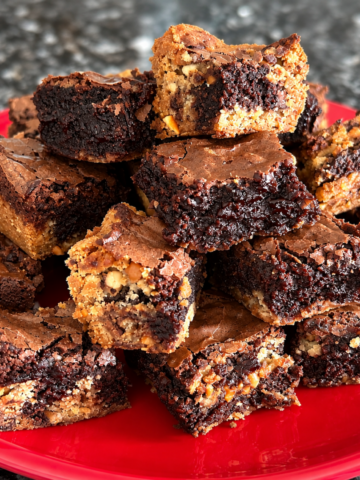
- 🍫 How to Turn a Boxed Cake Mix into Brownies
- 🍋 How to Turn a Boxed Cake Mix into Dessert Bars
- 🥐 How to Turn a Boxed Cake Mix into Pastries
- 🧁 How to Turn a Boxed Cake Mix into Muffins
- 🍞 How to Turn a Boxed Cake Mix into Quick Breads
- 🍥 How to Turn a Boxed Cake Mix into Cinnamon Rolls
- 🎂 How to Turn a Boxed Cake Mix into Cake Bites
- ✨ How to Turn a Boxed Cake Mix into Petit Fours
- 🎡 How to Turn a Boxed Cake Mix into Funnel Cakes
- 🍫 How to Turn a Boxed Cake Mix into Whoopie Pies
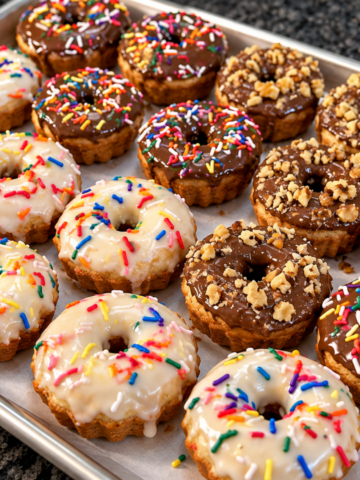
- 🍩 How to Turn a Boxed Cake Mix into Donuts
- 🍥 How to Turn a Boxed Cake Mix into a Cake Roll
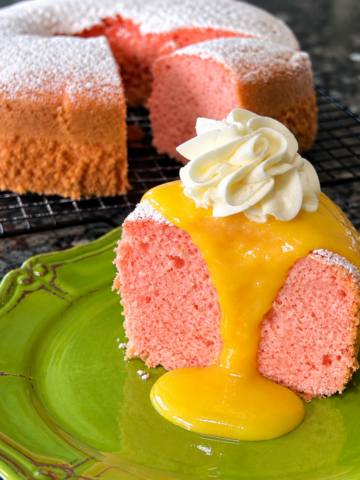
- ☁️ How to Turn a Boxed Cake Mix into a Chiffon Cake
Cake Mix Transformation Cheat Sheet
Every transformation on this site begins with the same simple idea: change the ingredients, change the result. Here's a quick reference showing the basic formula behind each type of cake mix creation.
| Want to Make... | Basic Formula | The Result |
|---|---|---|
| 🍰 Cake | Follow the box directions (then doctor as desired) | Light, fluffy traditional cake. |
| 🧈 Pound Cake | 4 eggs + butter/oil + milk + pudding | Rich, dense, buttery crumb. |
| 🧁 Cupcakes | Doctored cake batter | Bakery-style cupcakes with tender crumb. |
| 🍪 Cookies & Whoopie Pies | 2 eggs + ½ cup butter | Thick dough for soft, chewy cookies. |
| 🍫 Brownies | 2 eggs + ½ cup butter | Dense, fudgy brownies. |
| 🍋 Dessert Bars | 1 egg + ½ cup butter | Press-in dough with a shortbread-style crust. |
| 🥐 Pastries | Enriched dough (see guide) | Flaky pastries, scones, pinwheels, kolaches, and more. |
| 🍞 Quick Breads | 3 eggs + butter + mashed fruit or sour cream | Moist loaf cakes with bakery texture. |
| 🧁 Muffins | 2 eggs + butter + about ¾ cup liquid | Tender, bakery-style muffins. |
| 🍥 Cinnamon Rolls | Yeast + cake mix dough | Soft, fluffy cinnamon rolls. |
| 🎂 Cake Bites | 2 eggs + ½ cup butter (+ splash of liquid if needed) | Soft, bite-sized treats perfect for parties. |
| 💝 Petit Fours | Thin sheet cake + coating | Elegant bite-sized desserts for celebrations. |
More Delicious Ways to Transform a Cake Mix
If you thought cinnamon rolls were an unexpected way to use a boxed cake mix, just wait until you see what else you can make! From soft, chewy cookies and rich brownies to tender muffins, sweet pastries, and even homemade funnel cakes, that little box holds a world of possibilities. I've gathered all of my favorite ideas in my How to Turn a Boxed Cake Mix into Something Extraordinary collection. It's the perfect place to find your next baking adventure!
Frequently Asked Questions
In some ways, yes. The cake mix provides sweetness, flavor, and several dry ingredients that you'd otherwise have to measure yourself. However, this is still a true yeast dough, so you'll knead the dough, let it rise twice, and shape the rolls by hand. I like to think of it as a "middle ground" recipe—more hands-on than canned cinnamon rolls, but less intimidating than starting completely from scratch.
Don't worry if your dough doesn't rise dramatically. Mine barely appeared to rise during either proofing stage, yet it puffed beautifully once it went into the oven. Because the dough contains a cake mix, it behaves a little differently than traditional cinnamon roll dough. Much of the rise happens during baking.
Absolutely! White cake mix gives a classic cinnamon roll flavor, but I think yellow, butter pecan, spice, lemon, and even orange cake mixes would all be wonderful starting points for future variations.
That's a great question! In this recipe, the cake mix isn't replacing the flour—it's becoming part of the dough. The bread flour provides the structure needed for yeast rolls, while the cake mix contributes sweetness, flavor, tenderness, and richness. Together, they create a dough that's different from both cake batter and traditional bread dough.
Bread flour gives the dough a little extra strength, which helps support the yeast and creates a soft, tender roll with good structure. Since the cake mix already contributes tenderness, I found bread flour to be a great balance.
Of course. The pecans add a little crunch and a buttery flavor, but the cinnamon rolls are delicious with or without them.
Yes. You can prepare the rolls through the shaping stage, cover the pan tightly, and refrigerate overnight. Let them sit at room temperature for about 30 to 45 minutes before baking the next morning.
Store leftover rolls in an airtight container at room temperature for up to two days or in the refrigerator for up to five days. Warm individual rolls for a few seconds in the microwave before serving.
Yes. Freeze the baked, unfrosted rolls for up to two months. Thaw overnight in the refrigerator, warm gently, and glaze before serving.
More Cinnamon Roll Recipes You'll Love
One thing is certain...
I really love cinnamon rolls!
If you're looking for a different style, be sure to check out these favorites:
- Easy Cinnamon Rolls from Canned Biscuits
- Viral TikTok Cinnamon Rolls
- Flaky Pie Crust Cinnamon Rolls
- (Link to your Cake Mix Pinwheel Pastries after you rename it.)
- Sourdough Cinnamon Rolls
Each recipe has its own personality, and now this Cake Mix Cinnamon Roll recipe proudly joins the collection.
Thanks for Stopping By!
If you make these cinnamon rolls and love them, please leave a comment or review. And before you go, why not pin some photos to your Pinterest boards?
Janice Thompson is a professional baker, cake designer, and author with over 20 years of experience creating unique cakes and desserts. She’s the creator of Out of the Box Baking, where she shares her favorite doctored cake mix recipes, tutorials, and baking tips. Learn more →
How to Turn a Boxed Cake Mix into Cinnamon Rolls
Transform a simple boxed cake mix into soft, tender homemade cinnamon rolls! This unique yeast dough creates rich, buttery rolls with plenty of cinnamon flavor and a delicious glaze.
Ingredients
- For the Dough
- 1 (15.25-ounce) white cake mix
- 3¾ cups bread flour
- 2 packets (4½ teaspoons) instant yeast
- 2 teaspoons baking powder
- 1 teaspoon salt
- 1 cup whole milk, warmed to 105°–110°F
- ⅓ cup butter, melted
- 2 large eggs
- For the Filling
- ½ cup softened butter (or a little more for extra gooey rolls)
- 1 cup packed brown sugar
- 2 tablespoons ground cinnamon
- Pinch of salt
- 1 cup chopped pecans (optional)
- For the Glaze
- 2 cups powdered sugar
- 3 tablespoons milk (more if needed)
- 1 teaspoon vanilla extract
- Pinch of salt
Instructions
- In a large bowl, whisk together the cake mix, bread flour, yeast, baking powder, and salt.
- In a separate bowl, whisk together the warm milk, melted butter, and eggs. Add the wet ingredients to the dry ingredients and stir until a shaggy dough forms.
- Knead the dough for 6–8 minutes until smooth, soft, and slightly tacky.
- Place the dough in a greased bowl, cover, and allow it to rise in a warm place for about 1 hour.
- Roll the dough into a large rectangle. Spread generously with softened butter, then sprinkle with the brown sugar, cinnamon, salt, and pecans, if using.
- Starting with the long side, roll the dough tightly into a log. Slice into 12 equal rolls and place in a greased 9 x 13-inch baking dish.
- Cover and allow the rolls to rise for another 30–45 minutes.
- Bake at 350°F for 30–33 minutes, or until lightly golden and the centers reach about 190–195°F.
- Cool for about 10 minutes before drizzling generously with glaze.
- Serve warm.
Notes
Don't worry if the dough doesn't double in size during the rising stages. Mine barely appeared to rise, but it expanded beautifully in the oven.
Bread flour gives the dough excellent structure and helps create a soft, tender crumb.
Next time, I'll roll the dough a little thinner and use a slightly more generous layer of butter and cinnamon filling for even prettier spirals.
Chopped pecans are optional but add wonderful flavor and texture.
Store leftovers covered at room temperature for up to 2 days or refrigerate for up to 5 days. Warm briefly before serving.
Freeze baked, unfrosted rolls for up to 2 months.
Nutrition Information:
Yield: 12 Serving Size: 1Amount Per Serving: Calories: 640
The nutrition information is a product of online calculators. I try to provide true and accurate information, but these numbers are estimates.